


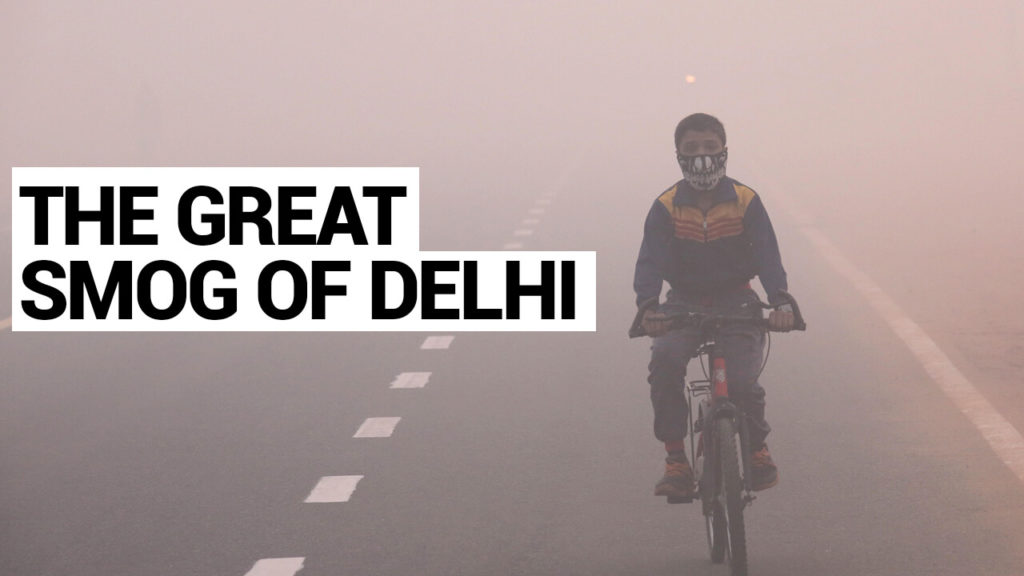
Even in 2025-26, Delhi's recurring winter smog remains a critical public health crisis demanding urgent government intervention.
Key Takeaway
Delhi’s smog crisis represents systemic government failure in environmental protection. With PM 2.5 levels exceeding measurable limits and citizens inhaling smoke equivalent to 50 cigarettes daily, urgent policy reform and enforcement are essential to prevent permanent public health damage.
Gas Chamber And Purification Effects Delhi
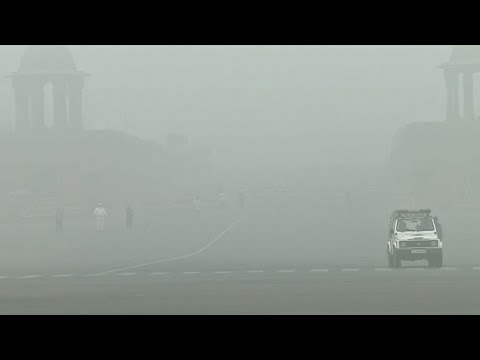
With another winter month of a ‘gas chamber’ effect, Delhi is choking and breathing poisonous air since Tuesday this week. A haze has dawned upon the city and it doesn’t seem to be dissipating any time soon, surely not before it has caused enough health hazards for all. And here I sit nearly suffocated, writing this article, feeling like a failure to not be able to afford the newest lifestyle necessity, an air purifier. Wow, if purifying water wasn’t enough, we have come far enough to need a purification of yet another physiological need.
This morning, US embassy website reported the concentration of PM 2.5 at 700, 30 times the World Health Organization’s normal. In fact, the real-time air quality index in RK Puram area stood at 999, beyond which, no readings are available! The condition is severe, and worsening with every human unknowingly inhaling smoke equivalent to that of 50 cigarettes, mentions Dr Arvind Kumar, Sir Ganga Ram Hospital. With high levels of moisture, lack of wind and the resulting lack of pollutant dispersion, we are all smoking a cocktail. And this one is made of cracker toxins, automobile and industry effluent and exacerbated burning of crop stubble.

The Pollutants And Damaging Effects Of Smog
The high levels of particulate matter present in the air have damaging effects, permanent even. They range from eye-smarting and throat irritation to chronic lung diseases. Pollutants, especially PM 2.5 is known to aggravate lung diseases to states of severity. It may even cause changes in blood chemistry resulting in clots to eventually lead to heart attacks. This puts not only the vulnerable, old and the kids at risk, but everyone.
The smoke from stubble burning is a major contributor to the capital’s winter air-pollution. The smog isn’t new and neither is the discussion, debate and blaming around it. We had the same situation last year, and the year before it. The harvest season and the burning of paddy waste in the neighbouring states of U.P., Haryana and Punjab followed Diwali, just like this year, covering the capital in thick smog. The state Governments of these states imposed a ban on burning of farm residue, to which the farmers claim, they never provided an alternative.
“We will bring 50 tractor trolleys laden with paddy waste and take a round of the city to find a buyer. If we fail, we will burn it,” Bhartiya Kisan Union President, Ratan Mann told HT. And the smoke of the burned is what we are now breathing. I wonder what the state chief ministers have to say about it.
Mortal Danger Becomes Prevalent In Delhi
The pre-emptive step by the Supreme Court to ban cracker sale proved futile because most of the people ignored the relevance of the ban, and burst crackers anyway. Many ironically wore environ-care masks while burning crackers, putting the health of the masses in utter jeopardy. Naturally, the state of the capital state is nowhere to change unless the masses are educated about the gravity of the situation. Why ban the sale? Ban bursting of the crackers instead.
National Green Tribunal has called for a meeting with Delhi, UP, Punjab and Haryana. I wonder what will come out of it. Unless there are proper implementations and monitoring of environment conservation policies, necessary follow-ups and back up methods in place, there is no saving. All of this requires a steady support and efficiency between the state and the central Governments. And this leads me to the most important question. Why does the centre have nothing to speak about the capital choking on emissions? It is highly surprising that the highest governing body of the nation is not much concerned about Delhi’s situation. Happy anniversary on demonetization but I know that the economic benefits, if any, of this demonetization, will only help me if I’m healthy. The rest, for now really seems secondary.

Frequently Asked Questions
What is PM 2.5 and why is it dangerous?
PM 2.5 refers to particulate matter smaller than 2.5 micrometers that penetrates deep into lungs and bloodstream. It causes chronic lung diseases, heart problems, and premature death. WHO recommends maximum 15 µg/m³ annual average; Delhi exceeded 700 µg/m³ during peak smog.
Why does Delhi’s air quality worsen in winter?
Winter brings temperature inversions, high moisture, and calm winds that trap pollutants near ground level. Crop stubble burning in Punjab and Haryana, vehicle emissions, and industrial pollution accumulate without natural dispersion, creating hazardous smog layers.
What are the health effects of breathing Delhi’s smog?
Smog causes eye smarting, throat irritation, respiratory infections, and aggravates existing lung diseases. Long-term exposure leads to chronic obstructive pulmonary disease (COPD), reduced lung function, and cardiovascular complications affecting millions of Delhi residents.
Is the government taking action against Delhi’s air pollution?
Despite severe smog crises, government response remains inadequate and ineffective. While some measures exist, enforcement is weak and long-term solutions like curbing stubble burning, vehicle emissions, and industrial pollution lack political will and sustained implementation.
How can individuals protect themselves from Delhi smog?
Use N95 masks, install air purifiers at home, limit outdoor activities during peak smog hours, increase antioxidant intake, and monitor air quality indices. However, individual protection is temporary; systemic government action addressing pollution sources remains the only lasting solution.
Disclosure: This article may contain affiliate links. VoxSpace may earn a small commission if you make a purchase through these links, at no additional cost to you. This does not influence our editorial opinions or reviews.