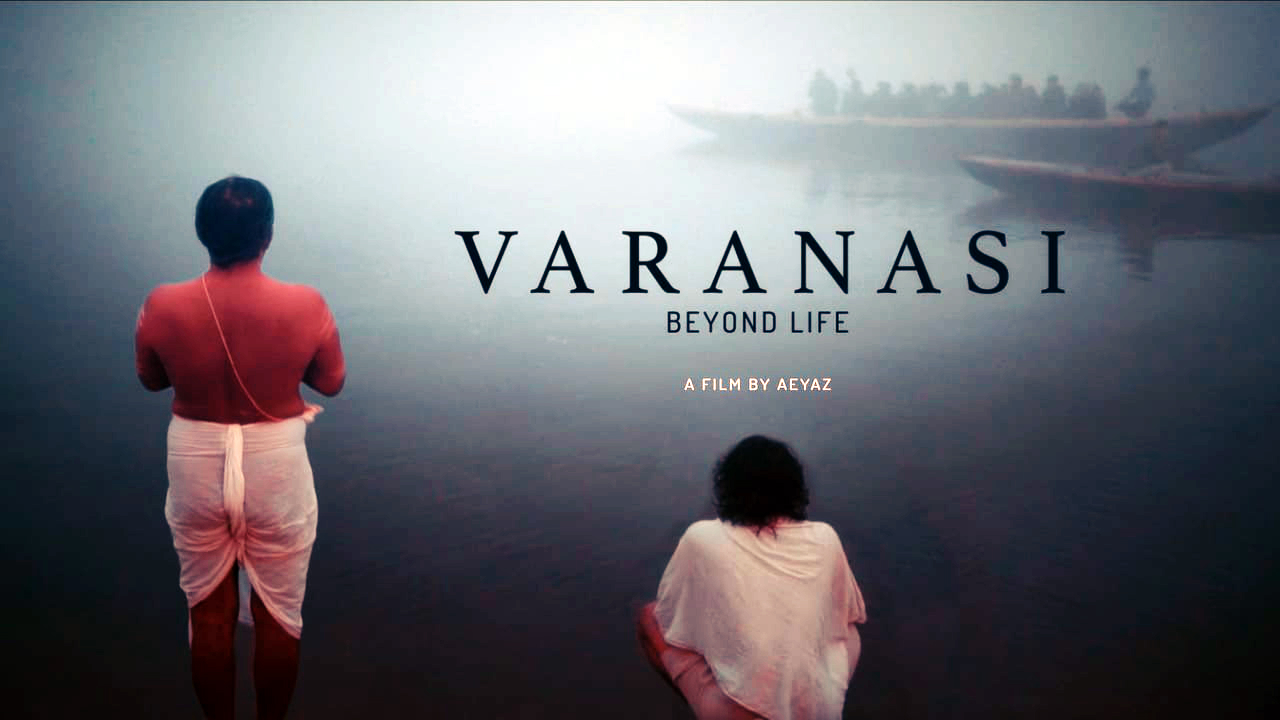
Since its 2017 release, this microfilm remains a haunting exploration of Varanasi's spiritual duality that resonates deeply with audiences seeking meaningful indie cinema.
Verdict
Aeyaz Hasn’s Varanasi microfilm is a poignant meditation on life and death, elevated by Alan Watts’ philosophical narration. It’s a visual and philosophical journey that captures the city’s multifaceted essence with remarkable sensitivity, making it essential viewing for indie film enthusiasts and those seeking meaningful storytelling about India’s spiritual heartland.
Varanasi. The land of lives and the rivers of the dead. The holy place situated in North India has held an auspicious place in the formation of Hindu religion and has been pivotal in changing the course of many incidents across the mythological landscape. Where the city still in its heart holds traditions and age-old customs, safely draped in multi-hued lives, a certain change of advancement is validly seen. This fascinating infusion of cacophonical paradigms of death and life and the karmic derivatives of it is what makes this microfilm Varanasi incredible.
Made by Aeyaz Hasn, Varanasi the film came from an inspiration for the historical relevance the place held. ” Varanasi, is a place where people come from all over the country to breathe their last, and immerse the ashes in the holy Ganges for the beginning of a new life. Honestly, words fail to describe what I have seen while on this epic trip with Photowalk Dubai. No wonder Varanasi is called the City of Life”.
What adds more engrossing elements to this feature is the voice over, a narration rather of Alan Watts. His famous quote on Life and Death have been perfectly synced to show the melancholy of Varanasi. “There really isn’t anything radically wrong with being sick or with dying. We can’t say that it’s a good thing for everything to go on living. In a very simple demonstration that if we enable everybody to go on living, we overcrowd ourselves. So, therefore, one person who dies in a way is honourable because he’s making room for others” so the poem goes.
Watch the movie here:
Varanasi // Beyond Life from Aeyaz on Vimeo.
Frequently Asked Questions
Who is filmmaker Aeyaz Hasn and what is his background?
Aeyaz Hasn is an independent filmmaker known for his documentary and microfilm work, particularly his striking visual narratives. He created the Varanasi microfilm as part of a Photowalk Dubai project, combining photography and filmmaking to capture compelling stories about Indian culture and spirituality.
What makes the Varanasi microfilm by Aeyaz Hasn unique?
The film uniquely blends Varanasi’s contrasting realities of life and death through stunning visuals and philosophical narration by Alan Watts. It explores how the city serves as a spiritual destination where people come to die and find rebirth, presented with cinematic depth and cultural sensitivity.
Who is Alan Watts and why was he chosen for the Varanasi microfilm?
Alan Watts was a British philosopher renowned for his insights on Eastern philosophy and metaphysics. His quotes on life and death were selected because they perfectly complement Varanasi’s spiritual essence, creating a profound philosophical context that elevates the microfilm’s meditation on mortality and rebirth.
What is a microfilm and how does it differ from documentary films?
A microfilm is typically a short-form cinematic piece, often 5-15 minutes, that focuses intensely on a single subject or theme with high production quality. Unlike traditional documentaries, microfilms emphasize visual storytelling and emotional resonance over comprehensive information, making them ideal for conveying cultural and philosophical narratives.
Why is Varanasi significant in Hindu religion and Indian culture?
Varanasi is Hinduism’s holiest city, situated on the Ganges River where people come to die and have their ashes immersed in the sacred waters. The city represents the cycle of life and death central to Hindu philosophy, making it a deeply spiritual destination that embodies Indian cultural and religious traditions.
Disclosure: This article may contain affiliate links. VoxSpace may earn a small commission if you make a purchase through these links, at no additional cost to you. This does not influence our editorial opinions or reviews.



Comments are closed.