
In 2025, music's role in healing and social activism remains more vital than ever for Indian communities seeking change.
Music And Its Common Uses
Music has been there since the ancient times from serving ceremonial purposes to pleasing a deity, a gathering or an individual. It has been used to kill silence or boredom, and strengthen the vibe of the surroundings. Accompanying us on a bus ride back home or on a walk during the dewy hours of the morning, music has been our irreplaceable friend. A quick workout wouldn’t be quick or household chores wouldn’t be easier to finish without music.
Similarly, a soothing melody or a catchy tune is not a bad idea after a long schedule. Use of music in jingles, advertisements, movies and news shows how essential music is to make an effective impact on the viewers and listeners. Companies and artists sell music and we buy it. Our interests are varied and so are the genres of music, for us to favourite. Every individual can easily find music according to their interests and taste, as so many artists out there work to push the boundaries and create music. Music is like perfume and is the language of the soul, which has made it a medium to reach out to millions of people with soulful and inspirational messages. This aspect of music has made it a catalyst for social change and a therapeutic technique.
Music Inspiring Social Change
https://youtu.be/2cKUxGrH8Fk
The composed tunes, beats and their combined power with thoughtful lyrics influence change, change that is necessary. A well-known pioneer in this field of music is Pete Seeger. His songs such as “Turn, Turn, Turn” and “This Land is Your Land” were directed towards powerful political and social influences, to support movements. His famous songs were based on themes of war and rights.
Music can impact the way people think. By primarily analysing the lyrics, people receive the message being conveyed. The way the tune is set, tempo, texture and instrumental used to create the songs also play an important role. These factors deliver the urgency and the vibe the song aims for.
In the 1950s and 1960s, black and white musicians addressed the issues they were facing, socially and politically. This period witnessed the birth of freedom and protest songs. Because music has the power to connect masses on an emotional level and affect the way they perceive society at large, many rappers used their music to vent about issues concerning their frustrations regarding the world. In this way, rap and hip-hop helped people voice their opinions.
In today’s world, musicians continue to bring issues into the limelight. For example, Kendrick Lamar, Hozier, Green Day, Kanye West and Beyoncé. The social issue currently prevalent is LGBTQIA rights which have been recently introduced into the music sphere.
It is very important that the artists and musicians support and address these issues as they have the power to influence and reach millions. Positive change is necessary and if it is achieved through music, we might acquire harmony to an extent.
Songs for social change–
The Times They are a Changin by Bob Dylan
A Change is Gonna Come by Sam Cooke
Redemption Song by Bob Marley
Music For Healing
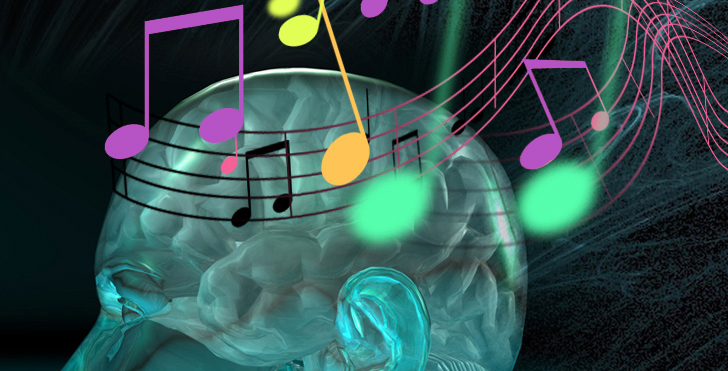
Few melodies never leave our mind and few never leave our playlists. It could be that these songs mean something to us or talk to us. The interpretation of music depends on the individuals, what they seek and what they don’t. We listen to music according to our moods and it does the magic. It either enhances our emotions or soothes our souls. This feature of music has paved its way into healing therapies.
Studies have shown that listening to music is a potential treatment for mental health issues. The harmonious messages in a song induce positive thoughts. Pete Seeger had left his mark in this aspect too, as he used music to improve mental health. Now, music therapy has become an important treatment for reducing depression and anxiety.
Music has the ability to evoke emotional responses to help people relax or heal. To accomplish this, music therapists, none other than musicians, require deep knowledge of music. By combining this knowledge and different music styles they make music that specifically suits the individual. The therapy may include activities like creating music and learning to play an instrument.
Music has also been proved to produce biological changes such as strengthening the heart and improving the recovery process of patients suffering from heart diseases, by lowering blood pressure and slowing down the heart rate. It also improves sleep quality, visual and verbal skills.
Here are the types of music therapy-
Bonny Method of Guided Imagery and Music
Over the ages, music has proved itself to be more than just entertainment, thanks to the devoted musicians that have made it possible. Music will always be for and about people, opening doors to new possibilities and access, to our improved selves.
Frequently Asked Questions
How does music inspire social change in India?
Music reaches millions through soulful and inspirational messages, making it a powerful catalyst for social transformation. Artists like Pete Seeger demonstrated how composed tunes and thoughtful lyrics influence necessary change. In India, music has been pivotal in raising awareness about social issues and mobilizing communities toward action and reform.
What is the therapeutic use of music for healing?
Music acts as a therapeutic technique that soothes the mind and body. A catchy tune or soothing melody after a long schedule reduces stress and promotes emotional well-being. The language of the soul, music provides comfort and healing through its universal appeal, making it an accessible wellness tool for everyone seeking mental and emotional recovery.
Which musicians have used music for social activism in India?
Pete Seeger is a well-known pioneer who composed tunes with thoughtful lyrics for social change. His approach influenced artists globally, including Indian musicians who have since adopted similar methods. Contemporary Indian artists continue this legacy, using folk, indie, and mainstream music to address social issues and inspire communities toward positive transformation.
Can music actually heal emotional and physical pain?
Yes, music has proven therapeutic benefits for both emotional and physical well-being. It strengthens positive vibes, eases household chores, and enhances workout sessions. Scientific research supports music’s ability to reduce anxiety, lower stress hormones, and promote relaxation, making it a legitimate healing modality that complements traditional medical treatment and wellness practices.
How has music been used historically for social causes?
From ancient ceremonial purposes to modern activism, music has always served as a vehicle for social messaging. Its use in jingles, advertisements, movies, and news demonstrates its power to make effective impact. Throughout history, musicians have composed songs addressing injustice, inequality, and human rights, making music an enduring tool for inspiring necessary societal change.
Disclosure: This article may contain affiliate links. VoxSpace may earn a small commission if you make a purchase through these links, at no additional cost to you. This does not influence our editorial opinions or reviews.















Comments are closed.