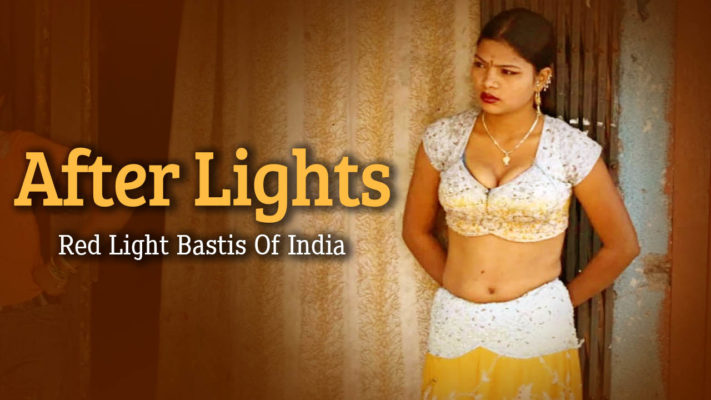
Sonagachi remains a critical space for understanding India's social inequalities and the lived experiences of its most marginalized inhabitants.
Shunned By Society, Yet Desired By Them
Dingy dark lanes and overcrowded gullies with women looming out of the balconies of single storied houses like shadows of night, this is how Sonagachi, Asia’s biggest red light area welcomes you night after night. Dissed by the masses and visited by the same, irony probably dies every minute here. Thousands of women come here every year, from those who have been forced, to those who have chosen to be here (nobody chooses this), the open secret flourishes here while the rest of the population chooses to shut their eyes to the existence of it. These lanes are one of the best mirrors of the society that we live in, with each person having their own tale of how they came and a different idea of the society that we live, in their minds.
https://www.youtube.com/watch?v=kW4zXtdsmZU
Form tales of their husbands leaving them to their in-laws abandoning them, the stories here are all kinds of sad. What is sadder is that the same world which has forced these women to sell their bodies and is an active buyer of it despises, them for selling their bodies.
Sonagachi, A World In Its Own
Sonagachi has been and is home to more than 7000 sex workers and these numbers have only increased in the past few years.
“Would I have been able to pay for my children’s study if I had stayed at home? Society should first look at itself before condemning us… Did anyone give us a good job? Society has failed people like me.” These are the words of Geetha Das in conversation with Al Jazeera.
Geetha is one of those thousands who was forced to take up this profession at a very tender age to support herself as well as her kids. They say that Sonagachi is like a black hole, you can enter it but never really leave it. One of the primary reason being the complete rejection and lack of support that they face from the society.
Prostitution, Drugs And Trafficking
Prostitution is something that is not new to India and Indian societies. Courtesans, once upon a time, had a regal status. But, now times have changed and so has the status of the women involved in the profession. The red light areas in India have now become the hub of illegal trafficking and trading of young girls. These girls are often brought to the red light areas by pimps who promise them jobs and then they are forced into the profession. There are also instances of girls being bought and sold. One of the most important reasons behind this is acute poverty. People from really backward and orthodox areas are often fooled into the trade.
Once you get involved, there is no coming back as the society never accept you. There are hundreds of women who were raped, forced and threatened to join the trade and could not leave, despite not wanting that life. If there is someone to blame, it has to be this society as a collective. Girls as young as 12-13-14 are posed into the shackles of pimps and are forced to lead a life that they never voluntarily would have chosen. According to the National Crime Records Bureau data, more than 8000 cases of human trafficking were reported in the year 2016, while 23,000 victims were rescued. These numbers have only risen the past two years. There also are instances where rape victims are forced into the trade, as in our country rape victims are not survivors, they are victims and are not fit for the society any more. The more you meet these people and listen to their stories, the more you realise that we have failed women on multiple levels and in multiple ways.
Laws Which Are Of Little Or No Help
Even the laws that we have for prostitution in the country are twisted in ways that are beyond comprehension. Prostitution is not illegal in India per say, but there are certain activities related to it that are against the law of the land. These activities include soliciting such services at public places, carrying out such activities in hotels, kerb-crawling, pandering, being an owner of a brothel or even running one and pimping. The SITA act of 1956 states that the prostitutes are allowed to ply their trade in private but they cannot do so in public. The activities that are forbidden are the core activities on the premise of which the entire sex trade works. The question is, ‘ if it is illegal then how come we have a fully flourishing red light area with more than 7000 people working in the trade?’ This itself speaks volumes about the kind of state mechanisms that are followed.
There are multiple reasons that are given by the officials for not looking into the blatant violation of laws in Sonagachi, from describing it as a cultural symbol to getting bribed by the pimps, these people have it all. This legal but not so legal status is extremely problematic. The reason being, it provides an excuse to the authorities in this country, to not care about the various kinds of violations that the sex workers face on a daily basis. Proper health facilities, sex education, rights to vote and many other basic human rights are still a dream for these people. There have been multiple incidents wherein these sex workers are raped, beaten up and a lot of times not paid for their services. What is more unfortunate is that they have no place/authority to go to. The hypocrisy of the state is exposed once again when they take almost no step forward to rehabilitate these workers. It is almost like, they want the trade to continue but they don’t want to take responsibility for it or for the workers.
Will They Ever Be Accepted?
Sonagachi is just one of the many red light areas that India has. There is no denying the fact that prostitution is a reality in India. It has been there and it will be there. The best that can be done is either legalising it or at least drawing a clear line between what is legal and what is not. The current, hanging in between, position has only aided the pimps to pimp in more women. These women do not go there because they want to, they are forced by circumstances and the society. The society in return washes off its hand from them by totally cutting them off. This is the reason why we say that the red light is the whitest mirror. In the past few years, some NGOs have started the process of rehabilitating and educating sex workers but the larger society is far from accepting them. There is no doubt that we are making slow progress as we see people coming up and helping these workers get out of the trade (if they want to) but we also need to make better regulations for the safety and security of the women who are already a part of it. The least that we can do is treat these workers as we would treat the others. Everybody has a right to a dignified life and one’s profession should not be the reason why it is taken away.
Frequently Asked Questions
How many sex workers live in Sonagachi?
Sonagachi is home to over 7,000 registered sex workers, though exact numbers fluctuate. This makes it Asia’s largest red light area, concentrated primarily in Kolkata’s oldest quarters where the community has existed for centuries.
What are the main reasons women enter Sonagachi?
Women come to Sonagachi through various circumstances including abandonment by husbands, rejection by in-laws, economic desperation, and coercion. While some claim choice, most arrive due to lack of alternative employment and societal rejection after marriage dissolution or familial abandonment.
Where is Sonagachi located in India?
Sonagachi is situated in Kolkata, West Bengal, representing one of Asia’s oldest and largest red light districts. The area comprises interconnected lanes and gullies in the heart of the city, recognized both locally and internationally for its socioeconomic significance.
What social support exists for sex workers in Sonagachi?
Several NGOs and organizations provide healthcare, education, and rehabilitation services to Sonagachi’s residents. These initiatives focus on children’s education, health programs, and skill development, though systemic societal stigma continues to limit comprehensive support and integration opportunities.
How does society view Sonagachi and its workers?
Sonagachi faces profound social stigma despite being openly visited and patronized. Society simultaneously condemns sex workers while actively utilizing their services, creating a hypocritical dynamic where the marginalized are blamed for circumstances largely driven by systemic poverty and gender inequality.
Disclosure: This article may contain affiliate links. VoxSpace may earn a small commission if you make a purchase through these links, at no additional cost to you. This does not influence our editorial opinions or reviews.
You Might Also Like
- [VoxSpace Life] The Journey Of Troilokya - From Innocent Villager To Indiau2019s First Serial Murderess
- Tron Light Cycle Roller Coaster Ride In Shanghai Disney Land Is Mind Blowing
- [VoxSpace Life] Prerana : An Initiative To Uplift Lives In The Mumbai Red-Light Area
- [VoxSpace Selects] Taiwan : First In Asia To Legalize Same-Sex Marriage
- [VoxSpace Life] India Reported 19,223 Victims Of Human Trafficking In 2017. But That's Not The Whole Truth
- [VoxSpace Life] Former Sex-Worker Defies All Preconceived Notions To Stake Her Claim To Motherhood
- [VoxSpace Life] The Sad Reality Lurking Behind The Mantle Of The Anti-Trafficking Bill










Comments are closed.