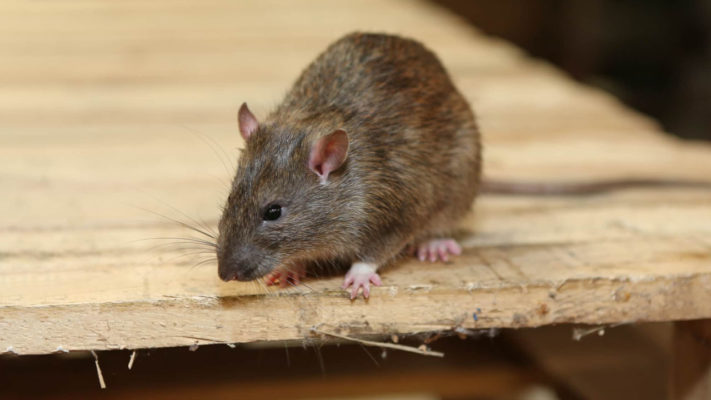
Seven years later, leptospirosis remains a critical post-monsoon concern in Kerala, with lessons from the 2018 outbreak still guiding health protocols.
Leptospirosis Wreaks Havoc In Kerala
After the massive flood this August, Kerala is now fighting the epidemic outbreaks in the state. At least 10 people have died due to fever this Sunday, among which one person was diagnosed with leptospirosis. So far, the state health department has confirmed around 43 deaths due to leptospirosis and another 269 have been admitted for the same since this August.
It hasn’t been long since the northern parts of Kerala had to face the Nipah virus. The health department worked tirelessly and had it under control within a short span of time. Even though it was an unexpected and an entirely unheard disease until it was diagnosed. Compared to that, leptospirosis is something Kerala is prepared for from 2009 onwards as a monsoon disease. Since the rain started, medicines were distributed among cleaning staff and other people who usually get affected by direct contact with the virus. In the current circumstances, a large number of people came in contact with the flood water and thus things got out of control. This year, it is mostly seen among those who didn’t take preventive medicine.
https://www.youtube.com/watch?v=ok36dggc8P4
The danger of dengue outbreak is also high in the state. A case of H1N1 death has also reported from Kozhikode. Considering the seriousness of the situation, a medical alert has been issued in all the districts, except Kasaragod. Volunteers and officials engaged in relief works are strictly instructed to take preventive medicines.
Along with news about the epidemic, reports are also coming in about the lack of platelets needed for treatment in hospitals. Leptospirosis patients get critical within hours due to the decrease in platelet count. Officials are in action to open urgent camps in IMA blood bank in Ernakulam. More than half of the Community Health Centres and Primary Health Centres in Kerala have been damaged in the floods.
State Health Minister K.K.Shailaja said that they “have decided to open 200 temporary hospitals to tackle issues.” The state government has sought help from the Union Health Ministry as immediate aid is needed, as people who are returning home after the floods need medical assistance.
Frequently Asked Questions
What is leptospirosis and how does it spread in Kerala?
Leptospirosis is a bacterial infection transmitted through contact with contaminated water and soil, particularly during monsoons. In Kerala’s 2018 floods, large populations were exposed to flood water carrying the leptospira bacterium, causing widespread transmission among those without preventive medicine.
How many deaths did leptospirosis cause in Kerala in 2018?
The Kerala state health department confirmed approximately 43 deaths due to leptospirosis since August 2018, with 269 additional hospitalizations. The outbreak primarily affected individuals who hadn’t taken preventive medications despite warnings from health officials.
Is leptospirosis preventable in Kerala monsoon season?
Yes, leptospirosis is preventable through prophylactic medicines distributed by Kerala’s health department since 2009. Cleaning staff and flood relief workers receive preventive medication. Taking these precautions before monsoon contact with water significantly reduces infection risk among vulnerable populations.
What other diseases emerged during Kerala’s 2018 flood crisis?
Beyond leptospirosis, Kerala faced outbreaks of dengue and a reported H1N1 death in Kozhikode. Medical alerts were issued across all districts except Kasaragod, with relief workers instructed to take preventive medicines against multiple waterborne and vector-borne diseases simultaneously.
How did Kerala’s response to leptospirosis differ from the Nipah virus outbreak?
Unlike the unprecedented Nipah virus, Kerala had experience managing leptospirosis as a monsoon disease since 2009. While health departments were better prepared with preventive medicine distribution systems, the 2018 floods overwhelmed preparedness measures by exposing large unprotected populations to contaminated water.
Disclosure: This article may contain affiliate links. VoxSpace may earn a small commission if you make a purchase through these links, at no additional cost to you. This does not influence our editorial opinions or reviews.














Comments are closed.