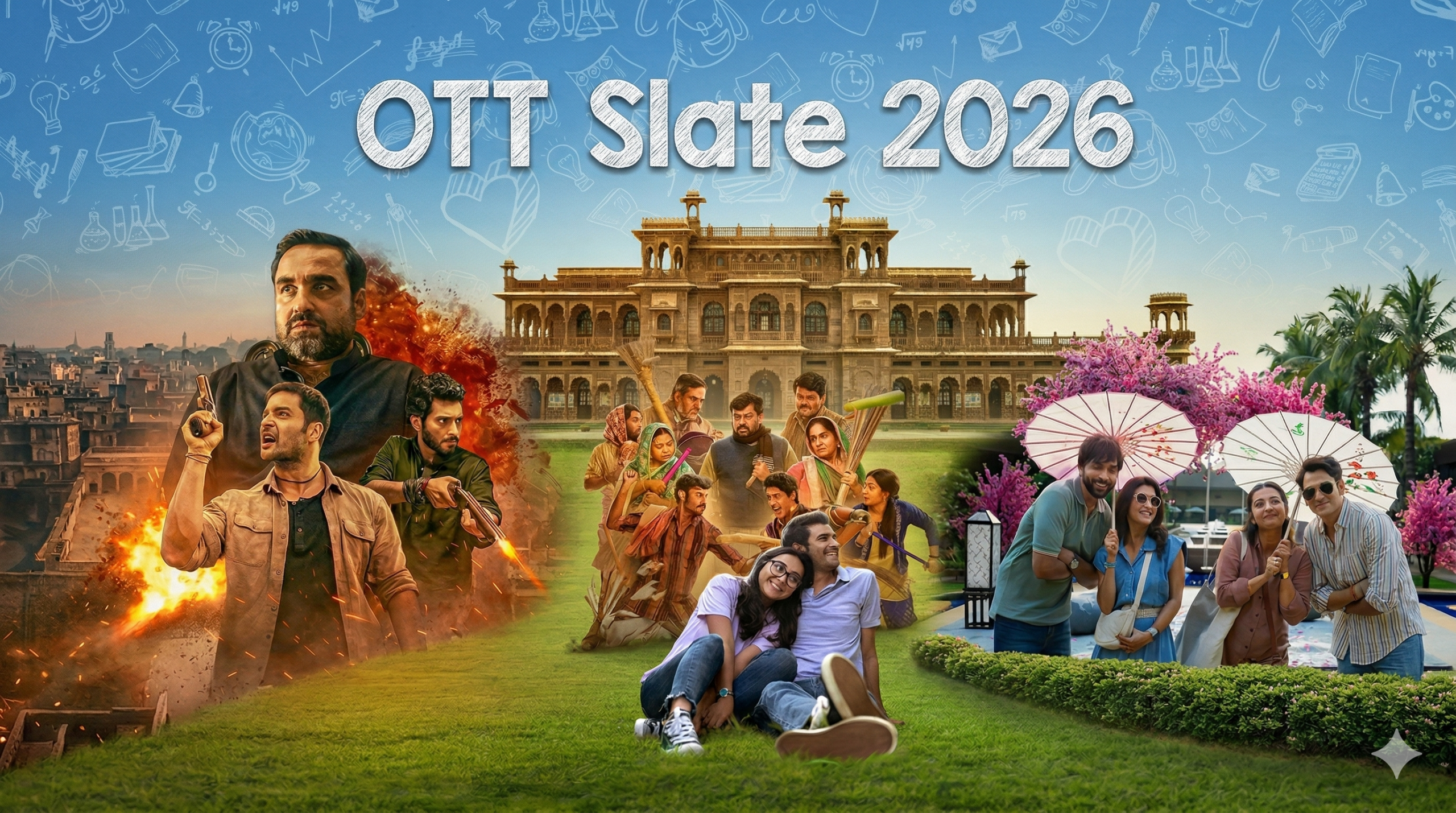
Netflix and Prime Video 2026: India’s streaming wars just got real
India’s streaming market is about to explode. Netflix and Amazon Prime Video have both dropped massive content slates for 2026, and the competition between them has never been fiercer. Netflix is betting on prestige storytelling and star power across multiple languages. Prime Video, meanwhile, is swinging with a staggering 55 titles that span Hindi, Tamil, and Telugu — the most ambitious single-year announcement in Indian OTT history. What’s happening right now isn’t just about more shows. It’s a fundamental shift in how these global platforms see India’s audience: not as secondary viewers, but as the primary battleground.
For anyone trying to keep up with what’s worth watching in 2026, the sheer volume is overwhelming. But there’s a clear story underneath all these announcements — and it tells us something important about where Indian entertainment is headed.
Why 2026 matters more than you think
Five years ago, OTT platforms treated India as a market to experiment in. Today, India is where they’re placing their biggest bets. The numbers say it all: India’s OTT revenue is projected to hit $4.5 billion by 2026, with Netflix leading in subscription revenue. That’s real money, and both platforms know it.
This isn’t happening by accident. India’s internet penetration has crossed critical mass. Smartphones are now the primary screen for entertainment consumption. Regional language content has moved from niche to mainstream. And most importantly, Indian audiences have proven they’ll stick with shows — Panchayat, The Family Man, Mirzapur built genuine, passionate fanbases that translate into platform loyalty.
The 2026 slates are the platforms’ response to this reality. They’re not just making content for India anymore. They’re making India their testing ground for global strategies.
Netflix’s play: prestige meets popularity
Netflix India’s 2026 strategy sits on three pillars: diversity of language, prestige storytelling, and returning fan-favorites. This is a platform trying to own both the art-house viewer and the mass audience simultaneously.
The returning shows are the real draw. Mismatched Season 4 is generating massive search interest — the show has built a loyal audience over three seasons of young romance, family drama, and emotional stakes. The Great Indian Kapil Show Season 5 continues to be a juggernaut, the format that proved Indian comedy could be both popular and critically respected. Maamla Legal Hai Season 2 returns to a show that perfectly captured middle-class anxieties about the Indian legal system. And Lust Stories 3 is the prestige anchor — the anthology that made Netflix India a player in serious storytelling.
But Netflix is also betting big on new original content. Ikka, starring Manoj Bajpayee, is one of the most searched upcoming Netflix India originals right now. Bajpayee has already redefined streaming acting through The Family Man, bringing a grittiness and psychological depth that mainstream Hindi cinema often misses. Projects headlined by Saif Ali Khan, Sunny Deol, and Madhavan signal that Netflix is now competitive enough to attract A-list film stars who would have dismissed OTT five years ago.
The diversity piece matters too. Netflix is investing across Hindi, Tamil, Telugu, and regional originals — not as an afterthought, but as core strategy. This tells you something: the Hindi-only OTT era is over. If you want to dominate India’s streaming market, you have to think pan-India.
Prime Video’s nuclear option: 55 titles and theatrical ambitions
Amazon Prime Video just announced 55 titles for 2026, and the sheer number is almost impossible to parse. But focus on the flagships, and a clearer picture emerges.
Panchayat Season 5 is the biggest return on the platform. This show has done something rare in Indian streaming — it built a deeply loyal, thinking audience. People aren’t just watching Panchayat; they’re discussing it, analyzing it, getting emotionally invested in Jitendra Kumar’s character arc and the village politics that feel documentary-real. The question “when is Panchayat Season 5 releasing?” is already one of the most powerful search keywords in Indian entertainment right now. That’s what genuine fan investment looks like.
The Mirzapur movie is the real surprise. This is the first major Indian OTT series to jump from streaming to theatrical film, and it’s a gamble that could redefine how platforms think about franchises. Mirzapur built a massive fanbase through gritty crime storytelling, cult characters, and shocking plot twists. The transition to film could either feel like a natural evolution or an unnecessary stretch. Either way, it’s already generating enormous speculative buzz — cast rumors, plot theories, release date speculation. That’s the kind of organic excitement that money can’t buy.
Prime Video is also pursuing something Netflix hasn’t aggressively done: the theatrical-to-OTT crossover. Certain 2026 titles will release in cinemas first, then come to Prime. This creates two distinct waves of audience interest — people searching for theatrical releases, then a second wave searching for when it hits streaming. It also positions Prime as a platform that respects the theatrical window, which could be smart positioning as the theatrical industry gets nervous about OTT’s growth.
Beyond the flagships, Prime Video is also leaning on star power. Rajkummar Rao, Keerthy Suresh, and Kunal Kemmu all headline individual projects. The free-tier alternative, Amazon MX Player, gets titles like Rise & Fall and projects with Nana Patekar. This is Prime Video building a multi-tier ecosystem — premium content on Prime, quality free content on MX Player, and strategic theatrical releases that bridge cinema and streaming.
The real story: what these slates reveal about Indian entertainment
If you step back from the noise, the 2026 announcements tell you four critical things about where Indian entertainment is headed.
First, regional content is now mainstream. The era of Hindi-only dominance in OTT is finished. Both platforms are investing heavily in Tamil and Telugu originals alongside Hindi. Pan-India content isn’t the future; it’s the present. This means if you’re a Tamil viewer, 2026 isn’t about searching for scraps — it’s about genuine abundance. The same applies to Telugu audiences. Regional doesn’t mean secondary anymore; it means viable, profitable, and worth the investment.
Second, franchise and returning content wins. The biggest search spikes, the loudest fanbase conversations, the most consistent viewership — none of it comes from new intellectual property. Panchayat 5, Mismatched 4, Mirzapur as film, Lust Stories 3 — these succeed because audiences already have emotional skin in the game. When Netflix or Prime announces a new season, they’re not fighting discovery problems. The audience is already waiting. This is why the platforms keep greenlighting sequels. It’s not lazy; it’s audience economics.
Third, star power drives everything. Manoj Bajpayee in Ikka, Shah Rukh Khan’s theatrical projects that will hit OTT, Rajkummar Rao on Prime — these casting announcements generate organic search traffic almost instantly. The streaming revolution promised to break the star system and democratize content. Instead, it weaponized it. Now you need both great storytelling and bankable names. The myth that streaming killed stars? It just gave them a bigger platform.
Fourth, the line between theatrical and OTT is officially blurred. Prime Video’s theatrical-to-OTT strategy, Netflix acquiring big-screen talent, and movies hitting streaming weeks after theatrical — these aren’t anomalies. They’re the new standard. Someone watching Mirzapur in a cinema, then following up with Ikka on Netflix, isn’t switching between cinema and streaming. They’re just consuming content wherever it’s available. That’s the reality the platforms have accepted.
What this means for audiences right now
Here’s what matters to you: 2026 is shaping up to be the most content-rich year in Indian streaming history. Every announcement creates a search spike. Every trailer drop generates discussion. Every cast update builds anticipation.
If you’re tracking Panchayat Season 5, searching for Mismatched Season 4 release dates, or hunting for updates on the Mirzapur movie, you’re tapping into genuine cultural moments. These aren’t manufactured hype cycles. They’re shows and stories that audiences actually care about, now returning with bigger budgets and higher stakes.
The choice between Netflix and Prime Video is getting harder to make. Netflix offers prestige storytelling and returning comedies. Prime Video offers mass-market franchises and theatrical ambition. You probably need both subscriptions to watch everything worth watching in 2026. That’s not a problem for the platforms — it’s exactly what they want.
What’s happening in 2026 isn’t just about quantity. It’s about Indian streaming finally arriving. The platforms have stopped experimenting. They’ve started competing seriously. And that competition is what creates the shows worth watching.
Frequently asked questions
When is panchayat season 5 releasing on prime video?
Prime Video hasn’t announced an exact release date yet, but the show is confirmed for 2026. The platform typically follows a quarterly release pattern for flagship originals, so expect an announcement in early 2026 with release likely in Q2 or Q3.
Is the Mirzapur movie only releasing in theaters or on Prime Video?
The Mirzapur movie will release in theaters first, then come to Prime Video after the theatrical window (typically 4-6 weeks). This hybrid release strategy is part of Prime Video India’s 2026 approach.
What are the best Netflix India originals coming in 2026?
The most anticipated Netflix India titles are Mismatched Season 4, Ikka (starring Manoj Bajpayee), Lust Stories 3, and Maamla Legal Hai Season 2. All are confirmed for 2026, though specific release dates haven’t been finalized.
How many new shows is Prime Video India releasing in 2026?
Prime Video announced 55 titles for 2026, spanning series, films, and theatrical-to-OTT releases across Hindi, Tamil, and Telugu. This includes both new originals and returning seasons of popular shows.
Are these new OTT shows available in Telugu and Tamil?
Yes. Both Netflix India and Prime Video are investing heavily in regional originals for 2026. Tamil and Telugu content is no longer secondary — it’s a core part of both platforms’ strategies with dedicated new releases throughout the year.
—