Recent neuroscience continues to validate what millions of Indian mothers have long experienced: pregnancy-induced memory changes are neurologically real.
Key Takeaway
Momnesia is not a myth but a scientifically documented phenomenon affecting 50-80% of pregnant women. Brain imaging studies show functional and structural changes in gray matter regions responsible for social reasoning and memory tasks. Understanding this normal aspect of pregnancy helps expectant and new mothers navigate cognitive changes with confidence.
Momnesia
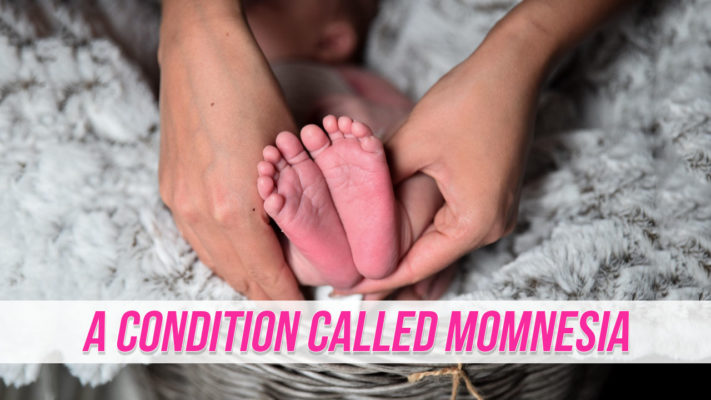
Motherhood is a beautiful feeling accompanied by several physical and psychological changes due to hormones rush. These hormones not only bring structural changes in the body but also alter the functional ability of the brain. Around 50-80 percent of expectant mothers have reported having a memory lapse or concentration problems during or post delivery. Medical science defines memory loss as “amnesia“; when would-be mothers or new moms suffer from amnesia triggered by pregnancy it is called “Momnesia” or pregnant brain.
How Real Is Momnesia?
“In a neuropsychological research, a memory performance test was run on 412 pregnant women, 272 mothers and 386 non-pregnant females. Pregnant women experienced the worst problems in memory tasks which were more challenging. Though clinical test differs from the research studies and negate any structural changes in the brain during pregnancy, studies have proven functional changes are real,” said Dr Shallu Kakkar, Fortis La Femme, Jaipur.
“During pregnancy, memory deficit is very common and real. In another scientific study, a research conducted on the MRIs of pregnant women disclosed that some gray matter was lost during pregnancy in the participant women – particularly in those parts of the brain which are responsible for social reasoning and the ability to see other people’s perspectives,” added Dr. Kakkar.
Paucity of clinical evidence on structural changes in the brain during pregnancy has divided the neuropsychology community into two schools having different opinions about the structural changes in the brain. However, both agree on factional changes being real.
What Forces The Brain To Work Otherwise?
Hormones play the primary role to alter the functional ability of the brain during pregnancy. Studies have also pointed towards the loss of grey matter. Researchers have speculated this loss happens as the brain is subconsciously preparing for motherhood by giving up on the neural network that she doesn’t need, which prepares her to bond with her baby better. However, lifestyle changes shall be given some credit too. Stress, anxiety, sleepless nights in cahoots excitement interferes with the functioning of the brain and can lead to Momnesia.
How To Deal With The Memory Loss
Dr Ranjana Becon, Columbia Asia Hospital, Ghaziabad suggests few strategies which can help manage the situation (Momnesia) better:
- Keeping notes of activities can sound old school but works wonder when memory is not that reliable.
- Maintain order at home, keeping things where they belong is a good practice and is very useful as practice turns any habit into a core memory.
- Try mnemonic devices. If you meet a new person, think of an association to help you remember the person’s name. For example, if you meet someone named Dalia, associate her with the flower. Identification of flowers is an in-built memory that will help you save the new one in the system.
- Don’t deprive yourself of sleep. Sleep-deprived brain malfunctions more often.
- Do exercise to keep the body and mind healthy and stress free.
- Share work burden with partner and family to avoid over working and stress related to it.
“Forgetting things is normal during pregnancy. However, visiting a doctor is advisable if incidences of memory loss are acute and rapid. Forgetfulness accompanied with other behavioural changes like feeling gloomy or loss in appetite and interest in other activities, seeking advice from a psychiatrist will be helpful because happy mother raises a happy and healthy child,” concluded Dr Becon.
Frequently Asked Questions
Is momnesia or pregnant brain real science?
Yes, momnesia is real. Neuropsychological research on 412 pregnant women, 272 mothers, and 386 non-pregnant females confirmed functional changes in memory performance. Brain imaging studies revealed gray matter loss in areas responsible for social reasoning and perspective-taking during pregnancy.
What percentage of pregnant women experience memory loss?
Around 50-80% of expectant mothers experience memory lapses or concentration problems during or after delivery. These memory deficits are particularly noticeable in challenging cognitive tasks and vary in severity among individuals.
Which parts of the brain change during pregnancy?
MRI studies on pregnant women showed gray matter loss particularly in brain regions responsible for social reasoning and the ability to understand other people’s perspectives. These functional changes are triggered by hormonal fluctuations during pregnancy and postpartum.
How long does momnesia or pregnant brain last?
Memory deficits during pregnancy are most common and pronounced during the pregnancy period itself. While the article discusses changes during and post-delivery, individual recovery timelines vary. Medical consultation is recommended for persistent cognitive concerns.
What causes pregnant brain or momnesia in expectant mothers?
Momnesia is caused by a rush of hormones during pregnancy that alter the functional ability of the brain. These hormones trigger both structural and functional changes, particularly affecting memory performance in challenging cognitive tasks among pregnant women.
Disclosure: This article may contain affiliate links. VoxSpace may earn a small commission if you make a purchase through these links, at no additional cost to you. This does not influence our editorial opinions or reviews.
You Might Also Like
- [VoxSpace Life] 7 Women Health Myths You Need to Stop Believing In Right Now
- [VoxSpace Life] Male Contraceptive Pills In The Age Of Patriarchs, Padhosan And Sperm Theft
- [VoxSpace Health] Vaccination Vs Autism : The Impact A Myth Can Cause
- V6 News Anchor Commits Suicide, Terms Her 'Brain As Her Enemy'
- [VoxSpace Life] How Negative Emotions Affect Our Ability To Trust People
- [VoxSpace Life] The Depression In Our Youth - Decoding The Hopelessness Nature Of The Malady
- Sexual Assaults Rampage : A 3 Month Pregnant Woman Is Gang Raped By Cab Driver And Three Others In UP















Comments are closed.