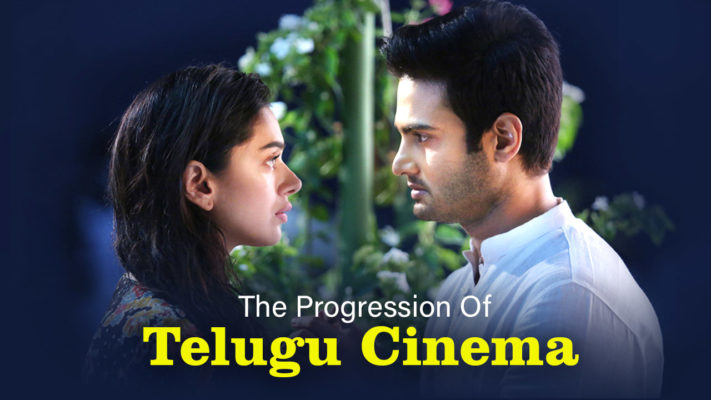
Since 2018, this critique remains strikingly relevant as Telugu cinema continues to grapple with balancing commercial formulas and artistic integrity.
The Verdict
Telugu cinema stands at a crossroads. While commercial films have become formulaic and predictable, there remains hope for meaningful storytelling. The path forward depends on whether filmmakers will challenge the established template or continue feeding audience tolerance for mediocrity. Change is possible—but it requires courage from both creators and audiences.
Telugu Movies Then And Now
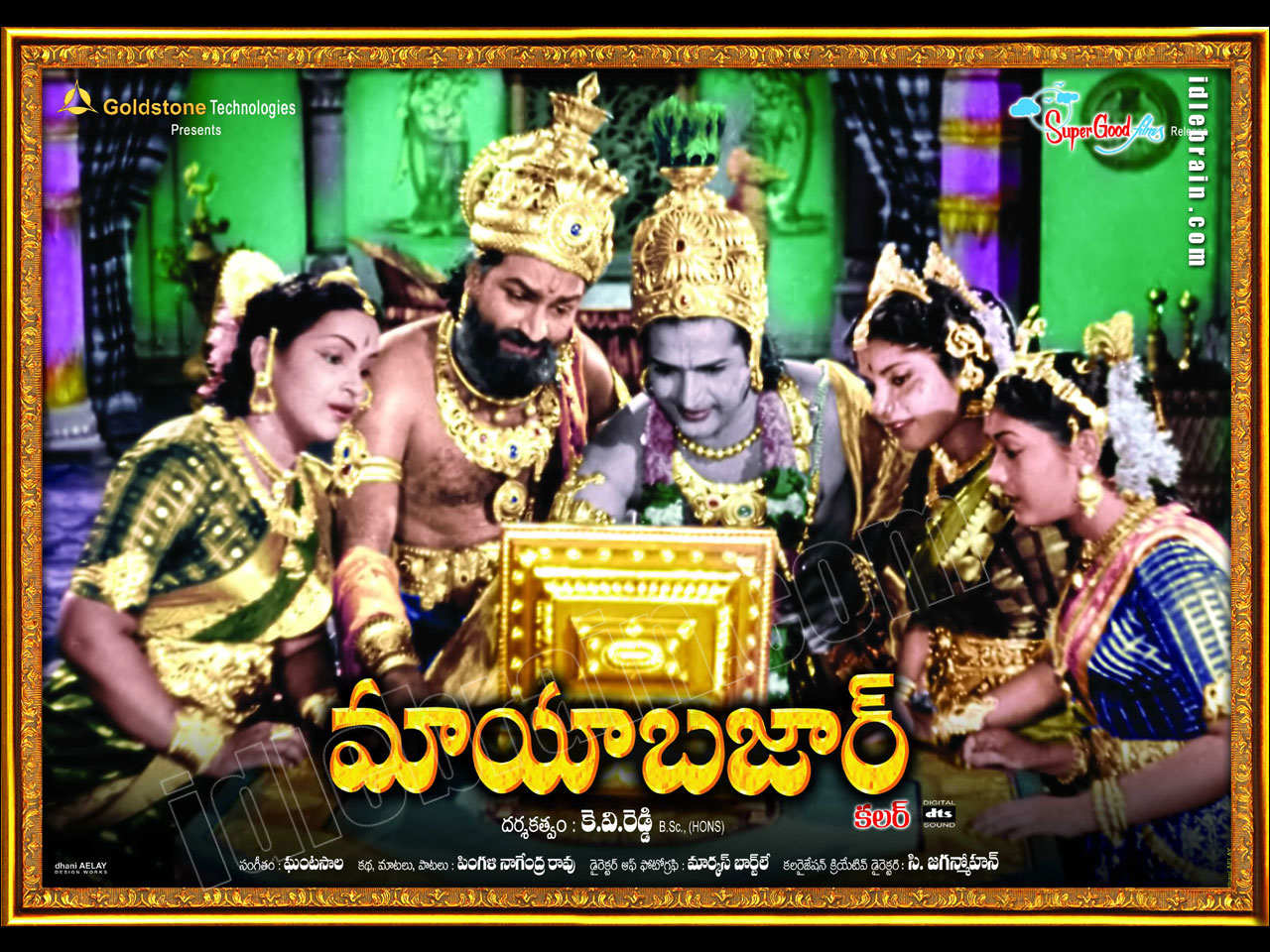
I must admit this. I am an unbashful Telugu Cinema fan. From a cult classic like Mayabazar to a lazy trashy movie which airs on Gemini Movies on a Monday afternoon, I would watch everything as long as it is a Telugu movie! For me, Telugu movies are a religion by itself and define my thoughts, emotions, and at times even beliefs about life. I am even sure that it is the same for many Telugu movie fans in every nook and corner of the two Telugu states, as well as spread over the world. However, the quality of films from the time I grew up ( predominantly 90s) until now has drastically changed and even transformed.
Well, my attempt here is not to say that Telugu Cinema’s quality has come down. But the quality of a mass film or a masala film has also come down to some abysmal levels and Telugu folks are being tolerant of such films too. While watching Indraganti Mohanakrishna’s latest film Sammohanam, it triggered a chain of thoughts on how an average commercial Telugu film has turned out to.
Here is a formula which I devised from a typical Telugu Film format:
Hero:
Preferably a middle-aged common man, who is bashed by his father and pampered by his mother. Has a sister who has little say in the mainstream storyline. He comes off with a peppy introduction song and often shown as useless idiot (there is a stream of movie titles with such abuses- I leave the list to your imagination!).
Heroine:
She is usually either a damsel in distress waiting for the hero to come and rescue her from the chains of villains. In all probability, she will be a rich woman wearing modern dresses initially but after hero pouring in some gyan to her (either by slapping, or saving from goons) changing to a ‘neatly ‘ dressed woman (sarees or salwars). Her job is to romance the hero, wear glamorous dresses, dance along with the hero and stand blank while the hero trashes 100 goons in flashy sand blowing shots.
Villain:
https://www.youtube.com/watch?v=_hHnw_0fiFY
Well, he should be greatly built (that’s why we opt for north Indian middle-aged men) and should have no brains whatsoever. Even if the takeoff is great for the villain, somewhere he loses the mind and comes to the feet of the hero. He is usually rich or with the political influence of his father (who is a bit more cunning).
Rest of them are either hero’s brainless friends, heroine’s friends (who are definitely less beautiful or de-glamorized versions of the heroine), a supposedly forced comedy track, which has no say with the original storyline. And yes, an item song involving the hero dancing along with the sleazy item girl in the villain’s den!
Sounds familiar? Storylines of this sort were made into hundreds of movies and also scored success and awards (Yes!). Telugu Cinema has fallen to a comfort zone where this formula is believed like gospel and it will work for the producers. No matter how many films come in this formula, it will inevitably click. But aren’t we getting into the comfort level trap which is making the filmmakers cease to experiment?
Experimentation In Telugu Cinema
Yes, there are some experimental films in Telugu Cinema which were downright enjoyable, but what about the reach? Why can’t experiments be done in high commercial films? Why are we not trying different genres like science fiction, but when neighbouring industries like Tamil or Malayalam do it, we are following suit?
Sammohanam might have got its own set of low points but the film speaks on very important points which need to be addressed by the audience as well as the filmmakers. The ‘Telugu-can-be-taken-for-granted” thing should go from our minds and yes- we need to respect our language first. Telugu people, in the name of being warm, effortlessly blend into every language which the opposite person speaks- with the intention of hospitality! But at the same time, our language comes first- only then rest follows!
The year 2018 is quite a memorable one for Telugu Cinema because of films like Mahanati, which celebrate the pride of Telugu language and the amazing films it produced. Let us embrace our language and give the respect it deserves- in art and Cinema too.
Frequently Asked Questions
What made Telugu cinema of the 90s better than today?
The 90s Telugu films prioritized storytelling and character development over formulaic templates. Directors like Indraganti Mohanakrishna had creative freedom. Modern mainstream cinema relies heavily on predictable hero introductions, mass formulas, and commercial considerations, often sacrificing narrative quality and originality for box office appeal.
Why has the quality of Telugu mass films declined?
The decline stems from over-reliance on repetitive character archetypes and predictable storylines. Producers prioritize safe, formulaic content that guarantees commercial returns over experimental narratives. Audience tolerance for mediocre cinema has inadvertently encouraged filmmakers to maintain status quo rather than innovate or challenge conventions.
Is Telugu cinema still relevant to modern audiences in 2025?
Absolutely. While mainstream commercial Telugu films follow tired formulas, a parallel wave of meaningful cinema continues emerging. Directors pushing boundaries and audiences seeking substantial narratives prove that Telugu cinema’s relevance depends on evolving beyond repetitive templates and embracing diverse storytelling approaches.
What is the typical formula for Telugu commercial films?
Modern Telugu mass films typically feature a middle-aged hero portrayed as initially useless or incompetent, who undergoes transformation. The narrative includes predictable family drama, comedic sidekicks, romantic subplots, and action sequences. This formula repeats across films with minimal variations, creating homogeneous cinema that lacks originality and artistic merit.
How can Telugu cinema move forward creatively?
Progress requires filmmakers breaking away from established templates and audiences demanding better storytelling. Directors must take creative risks, explore diverse narratives beyond hero-centric plots, and prioritize character authenticity. Simultaneously, viewers must reject mediocrity by supporting films that challenge conventions, creating market incentives for innovative cinema.
Disclosure: This article may contain affiliate links. VoxSpace may earn a small commission if you make a purchase through these links, at no additional cost to you. This does not influence our editorial opinions or reviews.
You Might Also Like
- The Most Beautiful MashUp Of The Biggest Telugu Hits Of The Year Is Here
- [VoxSpace Review] Aravindha Sametha : Old Wine (With A Twist) In A New Bottle
- [VoxSpace Selects] Gangaraju Ki Sorry Cheppu : Telugu's First 'One Take' Movie Is Full Of Promise And Laughs
- [VoxSpace Selects] The Story Of Manu : Telugu Cinemau2019s First Major Crowdfunded Movie
- [VoxSpace Selects] A Celebration Of Genre Defining Cinematic Moments Of Telugu Cinema In 2017
- [VoxSpace Selects] Mid Year Round Up 2019 : Break Out Stars Of Telugu Film Industry
- Malavika And Sri Krishna Reprise 'Andala O Chilaka' And It's Simply Soothing!!

Comments are closed.