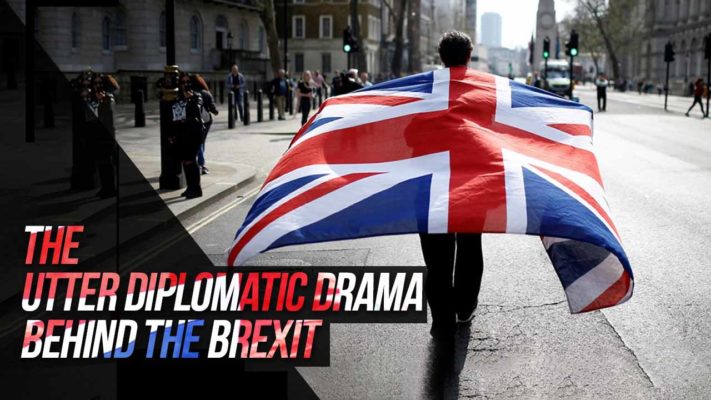
From 2016 onwards, Brexit visual satire evolved into a global artistic movement that continues inspiring political commentary across media today.
Key Takeaway
Brexit became a watershed moment for political art in the 21st century, proving that satirical visual commentary—from street art to digital memes—remains one of the most effective tools for expressing democratic dissent and cultural critique across nations.
Brexit Visual Caricatures Are On The Rise By Leaps And Bounds
Brexit Art might be instrumental in portraying the ridiculous, but artists still prefer to bathe a little longer in its comic relief. After Donald Trump’s mammoth win in presidential elections, cartoonists and artist around the globe have once again reunited to bring some theatricality into the otherwise implied details of a political potboiler. The comic interludes are not merely limited to few freelancers creating artworks on whims. Das Erste, a popular German TV channel, brutally mocked Brexit by alluding to England’s historical defeats to Germany in football matches-
‘Brexit is like football, in the end, England always loses’- the German TV host
As Theresa May toils under the cumbersome task of getting the deal sanctioned, there is no dearth of cartoons, graffiti, poems, and sketches around the globe. The visuals of these artworks are extremely poignant with a sincere hilarity imbued deep within the heart of Brexit conundrum. Artists are quite vocal about their sentiments surrounding the morbid Brexit crisis.
Let me explain what's happening with Brexit.pic.twitter.com/gjGkvFk8fT
— Theresa May (@theresa_may) April 7, 2019
Many artists have managed to infuse into the artworks popular cultural tropes, instantly making them viral on the internet! Gollum, Simpsons, Benjamin’s rabbit, Dobby the Elf, Bugs Bunny meme templates are among some of the popular instruments of lampooning Brexit. A large group of artists including the likes of Banksy and Subdude (pseudonyms) started painting Brexit hullabaloo on walls with symbols and patterns, adding a sombre hue to their artwork. The entirety of Brexit including popular dissent and oppositions, and opinions can be grasped from these politically correct oeuvres of the 21st century. Sweep a quick glance through them to know about the swaying of public opinions against Brexit with the passage of time.
The Immaculate Theresa May As Gollum
Andy Serkis, the voice of Gollum from Lord of the Rings, has himself mercilessly reprised Gollum’s character to scoff Theresa May. The PM is seen in a blue jacket and grey wig, monologuing the groundwork of Brexit as Gollum. Brilliant in execution, it is a parody that deserves to go down in the annals of history as one of the finest commentaries on contemporary politics. Even by the standards of the textbook definition of Parody, Serky’s adaptation remains true to its purpose.
But they told us precious, they hate the deal. All of them hates it! They want… a people’s vote,”
“This is the deal…It’s my… my own. My Brexit.”
Simpson Comic-Strips For Brexit
Simpson memes are altogether a different race when it comes to mocking the UK as a whole. Ireland, Brits, and the Brexit sentiment are portrayed via snippets from The Simpsons. Artist Jack Leahy, from Dublin, the creator and an anti-Brexit spokesperson, voices the majority through his creative potential. Beyond the apparent fun and frivolity, Simpson memes are populated with the innumerous political allusions to imitate the crude picture of Brexit through Irish eyes. Leahy’s images are texts in their own right, and
“Perfect for Irish people who want to mock the Brits without appearing to take them seriously.”– as Leahy puts in an interview.
Artists Capture Great Britain’s Trauma
To artist Lawrence Perry, the immediate threat of Brexit was the collapse of a multicultural Britain that threatened his immigrant friends and families. He took to canvas to paint the minorities and their insecurities as opposed to “old, draconian views” of Brexit supporters. The political paralysis of the time comes alive through these works, ridiculing the latest developments as Theresa May progresses with her Brexit propositions. The walls of London alleys are unforgiving in questioning the madness of Brexit.
It blurs boundaries of the grotesque and offensive, to heighten U.K’s Brexit commotion. Similarly, Anish Kapoor’s personal feeling of a bottomless void becomes a threatening chasm at the heart of Britain on canvas, it is almost like the entire continent is bleeding. Kapoor created the artwork in collaboration with The Guardian, in a bid to paint the future predicament of the U.K. To The Guardian, the painting is meant to “avoid this riven nightmare of a nation.”
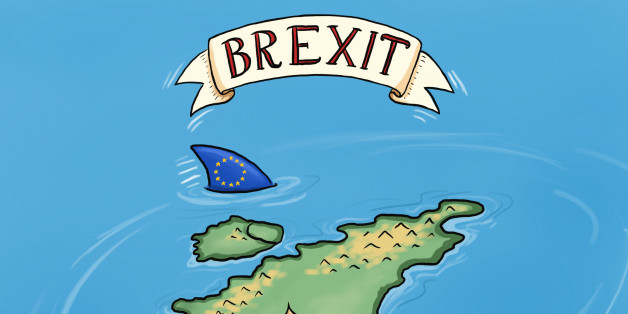
Book Your tête-à-tête With Brexit Art
Controversial, loud and throbbing with life to grab viewers’ attention, Brexit art is nothing less than sensational. It is almost journalistic in execution, chronicling people and stories chronologically, using bright colour blocks. The artists are busy undoing a lot of injustice previously inflicted on street art that had made people indifferent to it. It is in these vivid brushstrokes you will find the queer juxtaposition of the menacing and hilarious of Britain’s approaching political turmoil.
Frequently Asked Questions
What is Brexit art and why did it become popular?
Brexit art emerged as a response to the 2016 UK referendum vote. Artists globally created visual lampoons—cartoons, graffiti, and digital memes—to satirize the political crisis. The phenomenon gained momentum because it allowed creative expression of democratic dissent through humor and cultural commentary on an unprecedented political event.
Which famous artists created Brexit political lampoons?
Banksy and Subdude are among the most recognized artists who painted Brexit commentary on walls. Beyond street artists, cartoonists worldwide contributed to the movement through traditional editorial cartoons. German TV channels like Das Erste also joined the satirical commentary, blending visual art with broadcast media criticism.
How did pop culture references enhance Brexit visual satire?
Artists cleverly integrated recognizable characters from films and TV shows—Gollum, The Simpsons, Dobby the Elf, and Bugs Bunny—into Brexit artwork. These meme templates instantly resonated with global audiences, making complex political issues more accessible and shareable on social media platforms worldwide.
What role did social media play in spreading Brexit political art?
Social media became the primary distribution channel for Brexit lampoons, allowing artists to reach millions instantly. Viral memes and hashtag campaigns amplified the artwork’s reach beyond traditional galleries and newspapers, making political satire a democratized form of commentary accessible to global audiences.
Is Brexit still influencing political art and satire today?
Brexit established a template for using visual satire to comment on major political events. The movement influenced how artists globally approach political lampoons, proving that theatrical visual commentary remains an essential tool for cultural criticism and democratic expression in the 21st century.
Disclosure: This article may contain affiliate links. VoxSpace may earn a small commission if you make a purchase through these links, at no additional cost to you. This does not influence our editorial opinions or reviews.
You Might Also Like
- [VoxSpace Selects] What Happens When You Share A Meme In Bengal? Comedy Of Monarchs!
- Sweden Plunged Into Uncertainty As Far-Right Immigration Party Is On The Rise
- Pragati Nivedana Sabha Of TRS : Of Delhi Supremacy, Federal Front And The Snippet Of Telangana's Future
- [VoxSpace Life] The Poliu2019Tricksu2019 of BioPics - How Biopics Are Vying To Change The Political Narrative
- [VoxSpace Life] The Confessions Of A Not So Strong And Independent Woman
- [VoxSpace Life] The Story Of Illustrated Weekly : A Window to Weeklyu2019s World Of Sepia
- [VoxSpace Life] Pick Up Limes By Sadia Badiei : Helping You Nourish The Cells And The Soul


Comments are closed.