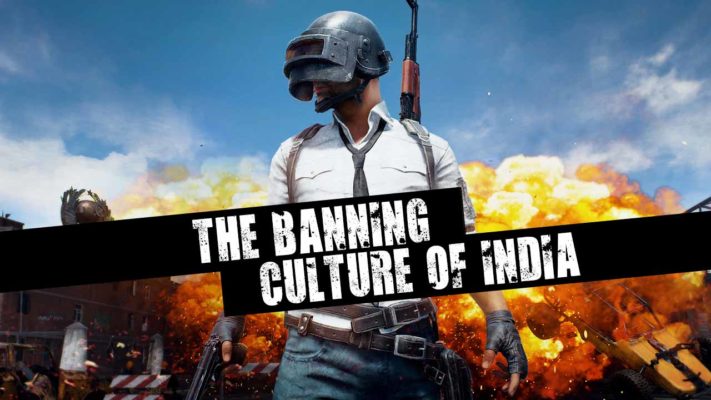
In 2025, India's pattern of reactive bans on apps and technology continues to spark debates on governance and individual liberty.
The Core Issue
India’s tendency to impose blanket bans on apps and technology without adequate deliberation or consultation raises critical questions about regulatory frameworks, personal freedom, and the government’s approach to digital governance. The pattern reveals a lack of nuanced policy-making in the digital age.
PUBG Banned And Unbanned Within Couple Of Months
Players Unkown’s Battlegrounds (PUBG) is a free to play mobile app that allows it’s players to have a battle royals in an open environment with ammunition and supplies sprinkled throughout the map. It was released last year in the Indian smartphone app market and quickly became a top grossing game on Android within months of its release. After the release of the game, there have been multiple bans put on it from different states starting with Gujrat. The reason for banning the game according to the police is due to its negative impact on young minds. The game is also highly addictive in nature causing its players to self-harm.
The Effect Of The Bans On The People
Since the games banning in March, there have been around 21 arrests of individuals playing the game in public. Punishments to those who failed to acknowledge the bans ranged from a conviction in court to fines to Jail time. These bans were lifted in the month of May but the damage it caused to the people has raised questions on personal freedom of an individual as well as the inadequate regulations India has in place with regards to the internet.
Controversies Caused By The Game
The release of multiple reports showing the negative impact of the game was a massive reason for banning the game. The first incident came to light in August of last year when a 15-year-old boy was admitted to a clinic for PUBG addiction. Then there was the incident that happened in January where a fitness trainer was admitted to the hospital after he began self-harming because he was addicted to the game. Later in February, there was a teenager who committed suicide after his parents refused to buy him a new phone to play the game.
This sparked a fierce backlash which caused a multitude of bans to fall on the game. The bans started at the end of January lead by Gujrat where multiple cities banned the game outrightly. This ban was soon taken up by other cities like Ahmedabad. The ban led to the arrest of 10 people within a week.
Response To Bans Put In Place
Internet Freedom Foundation (IFF), a New Delhi based organization filed a complaint against the PUBG ban in Gujrat. In a statement given by IFF, they wrote “For a young student who is worried about his family’s reaction and future career prospects, being arrested by the police can be a deeply traumatic experience. To us, the PUBG ban is fuelled by moral panic, and the harms from video games require scientific studies and non-legal methods of engagement.” The court reportedly threw out the case because there are no constitutional rights to play video games.
This response raised a lot of questions with regards to personal freedom. According to Apar Gupta, The director of IFF, due to the rapid increase of technology in India, there has been a pressure rising in regard to the laws set in place to protect a citizen’s constitutional rights that are in conjunction to the internet. Gupta told Buzzfeed News that “We need well-articulated regulatory process.”
He continued saying that “We don’t have the breadth of laws required to understand the internet in 2019, and we don’t have an enforcement framework. So bans are a natural course of action for the government. India is dishing out ham-handed solutions without having a clear direction about what its online space should look like.”
The Need For A New Regulation
There have been multiple bans put in place over the last couple of years in regards to apps and new technology in India. The Indian Government instead of handling a situation with delicacy tends put an outright ban and then later remove it. This type of approach to a problem is not feasible in the long run. If the rights of the people need to be upheld we need new regulations in place to handle matters that are presented by the rise in technology quickly.
Frequently Asked Questions
Why was PUBG banned in India?
PUBG was banned by several Indian states citing negative impacts on young minds, addiction concerns, and reports of self-harm. Multiple police departments claimed the game was highly addictive and harmful to youth, leading to state-level bans starting with Gujarat in March.
How long was PUBG banned in India?
PUBG was banned for approximately two months, from March to May. The bans were lifted by May, though the restrictions had already resulted in around 21 arrests of individuals playing the game in public spaces during the ban period.
What is India’s banning culture in technology?
India’s banning culture refers to the government’s tendency to impose outright bans on apps and technology without delicacy or adequate deliberation. Rather than implementing nuanced regulations, authorities opt for blanket bans, which are sometimes lifted later, creating uncertainty and raising concerns about personal freedom and inadequate internet regulations.
What were the legal consequences of playing PUBG during the ban?
Those caught playing PUBG during the ban faced serious legal consequences including court convictions, financial fines, and in some cases, jail time. The punishments were imposed to enforce compliance with state-level bans across Gujarat and other regions.
Does India ban apps frequently?
Yes, India has implemented multiple bans on apps and technology over recent years. The pattern demonstrates a reactive approach to regulating digital platforms, often lacking thorough analysis. This banning strategy raises questions about the government’s handling of technology governance versus implementing comprehensive regulatory frameworks.
Disclosure: This article may contain affiliate links. VoxSpace may earn a small commission if you make a purchase through these links, at no additional cost to you. This does not influence our editorial opinions or reviews.
You Might Also Like
- [VoxSpace Life] Tik-Tok On The Clock, But The Party Still Doesnu2019t Stop
- [VoxSpace Life] No Land For Women : Will Women Safety Be A Reality In India?
- VoxTalks With Savio D'silva : Of Creating Elegant Artistry And Illustrations On The Canvas Of Skin
- Sohrabuddin Shaikh Case : Bombay High Court Upholds Discharge Of DG Vanzara
- [VoxSpace Life] Legacy Of A Rape - The Fear, Silence And Consequences Of An Age Old Crime
- [VoxSpace Selects] Bollywood Food Scenes That Will Make You Hungry
- Sexual Assaults Rampage : A 3 Month Pregnant Woman Is Gang Raped By Cab Driver And Three Others In UP










Comments are closed.