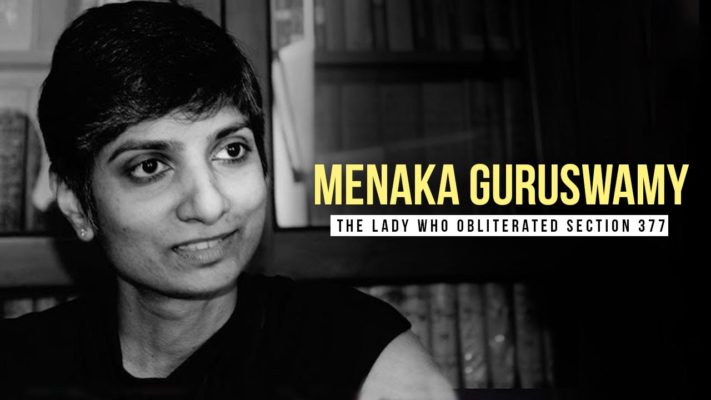
Seven years after Section 377's repeal, Menaka Guruswamy's groundbreaking legal battle continues to inspire India's ongoing struggle for equality and justice.
A Thousand And One Rainbows For Guruswamy- Liberty, Equality, And Fraternity
The immediate victims of bygone Section 377 must be the people belonging from the lowest stratum of the society from remote parts of India. They might even have been denied the opportunity to participate in gay parades or LGBT talk shows. They are afraid to declare their sexual orientation, forced to live in a heterosexual relationship simply because they have been denied any access to the monumental significance of the word ‘consent’. On sixth of September, we witnessed a grudging withdrawal of the demon lurking over these people, condemned to live on the outskirts of society. The journey from 2013 had been replete with major obstacles and oppositions, pushing India 200 years back, to the strict regimen of her colonisers. Let us, however, not forget the person who has played a crucial role in uplifting the veil of humiliation from the LGBTQ community- Menaka Guruswamy. Apart from being the first woman to have her portrait in the prestigious Milner Hall in Oxford, she is the flag bearer of a new epoch that has very little to do with Victorian moral scruples that our colonisers set.
In the past 71 years, no political party in India had dared to oppose the debasing Section 377, both unconstitutional and outdated in the context of a modern India. Guruswamy is a pivotal figure in leading the battle against the subtle state oppression that had previously imposed terror and torment on the LGBTQ community, labelling them as bizarre and unnatural. Even today, as representatives of various minorities move against the SC verdict, Guruswamy along with five prominent faces– dancer Navtej Singh Johar, journalist Sunil Mehra, chef Ritu Dalmia, hotelier Aman Nath and business executive Ayesha Kapur set the tour de force by issuing a writ against the barbarism that Section 377 was.
She Believes In Home For All In Law Of The Land
The sheer fact, that, the state should exist to serve and protect the interest of each and every member irrespective of their sexual orientation and preferences is once again enforced by this woman. She will forever be etched into the memory of generations to come, as a leader who stood for liberty and fundamental rights and the realisation of individual rights.
More importantly, Guruswamy has been the representative of the somewhat abstract notion that every state has the responsibility of protecting the human rights, which no doubt came under direct threat in the light of criminalization of homosexuality. In Giovanni’s Room, Baldwin writes that “home is not a place but simply an irrevocable condition”, all these years the LGBTQ community had been treated as refugees and outsiders in their own home.
Denying Reality Is No More An Option
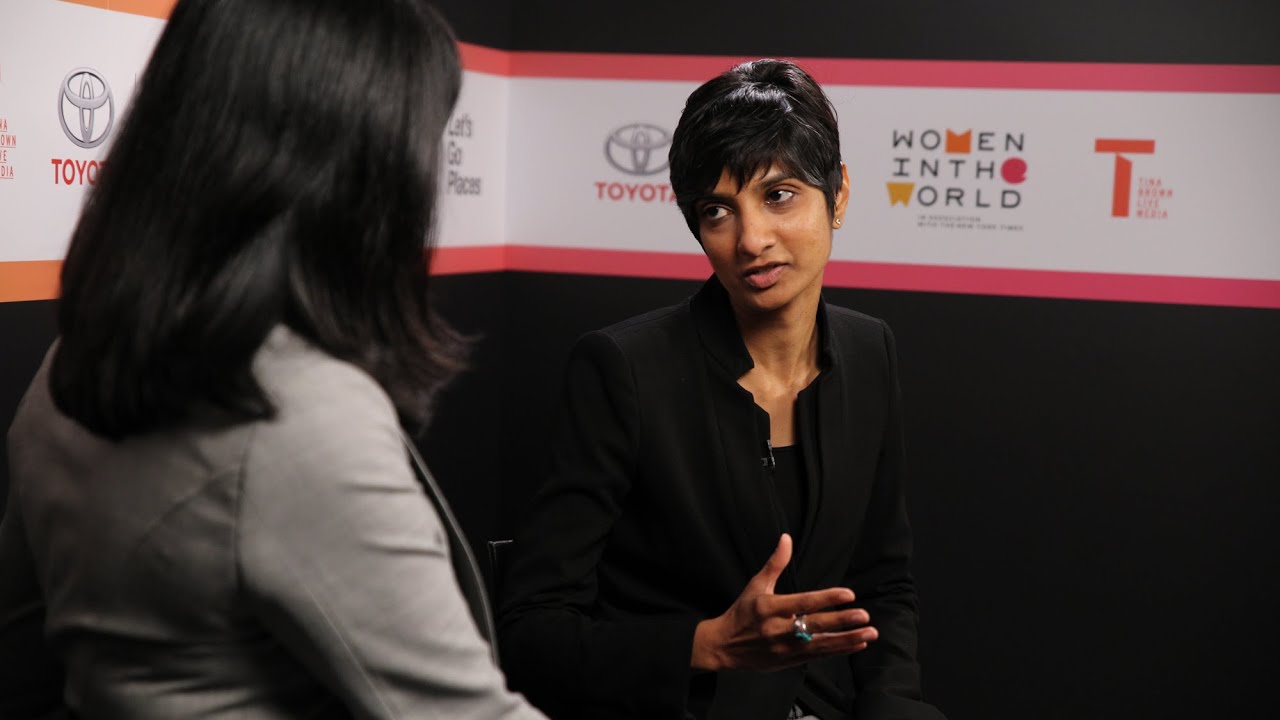
In 2013, when Justice G S Singhvi preposterously responded never to have encountered a gay person, it implied two major things- India is a land of deceptions and secondly the denial of the existence of a chunk her population. Since Parliament made no move in favour of the community, the struggle was squarely placed on these few people. In retrospection, Guruswamy speaks about the lessons that the 2013 SC verdict had taught her and the immense courage it provided her to sail through all these tumultuous years.
NALSA Judgement- The Saving Grace For Guruswamy
In personal interviews, Guruswamy has recognized and talked about the repercussions of the NALSA judgement, in extending support and respect to each and every citizen’s sense of ‘identity’. As per the judgment, state and central governments were held responsible for providing affirmative action, and medical benefits to the transgender community of India. It sharply indicates that gender is a social construct and the State should have nothing to say about one’s idea of self-identity. Post-colonial India had never quite broken herself free of colonial fetters, which ensured enormous disrespect to the LGBTQ community.
However, Navtej Singh Johar, who was one of the five people responsible for filing the petition in 2014, talks about the significance of such a move, as it gave a concrete shape to thousand others whose existence was pushed into oblivion by the court’s refutation of gay lives. Such imprudence on the SC’s part was a blow to the collective consciousness of the community and their sense of belongingness, shredding their identity to a group of criminals.
Guruswamy had been pretty straightforward in highlighting the brutal experiences that the queer community faces in every sphere of their life. It almost acts like a domino effect, setting a chain of events in action, snatching their human dignity in the process. Being a staunch believer in Indian constitutional rights, she stood by her decision to practice law in India particularly at a time when democracy of homosexuals was thrown into the pit.
The Battle For Justice Ends Here
TOI reported earlier this week that SC’s decision was entirely constitutional without any regard for a referendum or support of the majority. Guruswamy along with her companions have been crucial in driving home the argument that fundamental rights of a citizen is of paramount importance, whether the majoritarian government accepts it or not. The state cannot deprecate love, consensual sex, or somebody’s sense of self-identity.
https://www.youtube.com/watch?v=jfgrrXhOPdk
Guruswamy has led an unprecedented change, where for the first time the SC has mentioned the doctrine of ‘non-retrogression’. V.S Naipaul interestingly writes in India: A Wounded Civilization that “the ideas Indians have of the achievements of their civilization are essentially the ideas given to them by European scholars.” Thanks to Guruswamy we have been able to do away with one such European practice.
We refuse to yield to such age-old prejudices, in a land where gay and lesbians or even transgender are used as casual slurs, seen as a disease, a curse, unsparingly joked about in parts of India.
Frequently Asked Questions
Who is Menaka Guruswamy and what did she do for LGBTQ rights?
Menaka Guruswamy is a prominent Indian human rights lawyer who led the legal battle to repeal Section 377 of the Indian Penal Code. She played a crucial role in the 2018 Supreme Court judgment that decriminalized homosexuality in India, becoming a pivotal figure in advancing LGBTQ rights and equality.
When was Section 377 repealed in India and why was it important?
Section 377 was partially struck down on September 6, 2018, by the Indian Supreme Court. This repeal was crucial because it decriminalized consensual same-sex relationships, protecting LGBTQ individuals from legal persecution and ending decades of systemic oppression rooted in colonial-era laws.
What challenges did Menaka Guruswamy face in fighting against Section 377?
Guruswamy faced significant obstacles including political resistance, societal opposition, and the burden of battling a law that had been in place for over 150 years. Despite these challenges, her persistence from 2013 onwards ultimately led to the landmark 2018 Supreme Court decision that transformed lives across India.
What is Menaka Guruswamy’s background and achievements?
Menaka Guruswamy is the first woman to have her portrait displayed in the prestigious Milner Hall at Oxford University. Her academic excellence and legal expertise, combined with her unwavering commitment to human rights, established her as a leading figure in India’s LGBTQ advocacy movement.
How did Section 377 affect the LGBTQ community in India before its repeal?
Section 377 criminalized consensual same-sex relationships, forcing LGBTQ individuals to live in fear and hiding. The law particularly affected marginalized communities, denying them basic rights, dignity, and the freedom to openly declare their sexual orientation or participate in community activities.
Disclosure: This article may contain affiliate links. VoxSpace may earn a small commission if you make a purchase through these links, at no additional cost to you. This does not influence our editorial opinions or reviews.
You Might Also Like
- [VoxSpace Life] Shirley Setia: The Millennial Popstar Who'll Make Your Heart Flutter
- [VoxSpace Life] A Shared World : Indiau2019s First Transgender Literary Meet Hosted by Sahitya Akademi
- In A Historical Verdict The Supreme Court Abolishes Section 377
- [VoxSpace Selects] Adivi Sesh : Ushering Telugu Film Industry Into Content Driven Future, Roger That!
- 8 Wonderful Keigo Higashino Quotes To Make Your Day
- Meet Shreya Rao and Kamakshi, The Telugu Girls Who Are All Geared Up For Miss India, 2018
- [VoxSpace Life] The Toxic Habit Of Shutting Down The Curiosity Of A Child







Comments are closed.