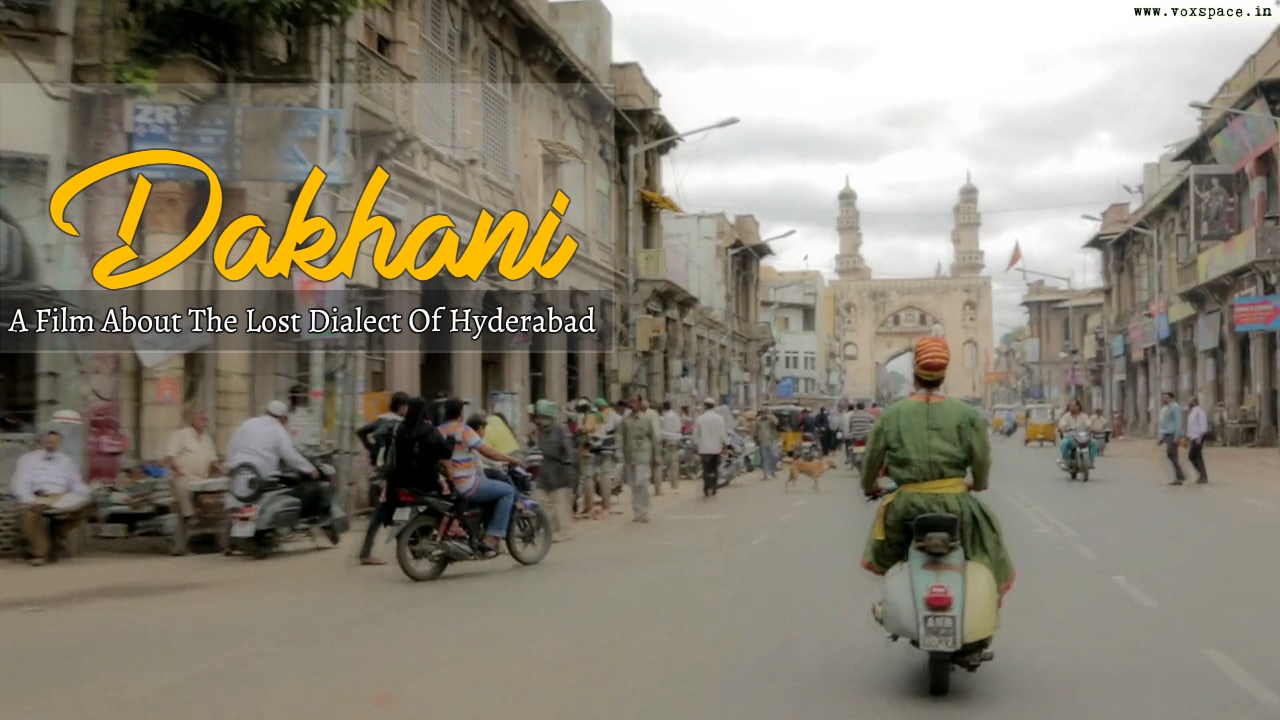
A decade after its release, this documentary on Dakhani poetry remains essential viewing for anyone passionate about preserving India's linguistic heritage.
The Origins And Beauty Of Dakhani:
In the testy voices of the autowalas, in the smooth talking of the Chudi bazaar bhaijaans, in the busy lanes of Charminar, in the very air of Hyderabad lived Dakhani, a dialect rich in culture and humorous in its vocabulary. A dialect exclusive to this part of the Deccan. The stress on syllables, the sound of the words, the basic inherent charm of Dakhani, is unimitable. It was an identity of the city of Hyderabad. The pioneers of the language wrote prose and poetry and gave it a character of humor. This was a language which laughed at itself. However, like many other things, this vernacular form of Urdu also bore the consequence of Urbanisation and lost its popularity. The practice of poetry performances at Mushairas, once a pride of Hyderabad, has dwindled away with time.
The Film Which Says Kya Hai Ki:
As a tribute to this rich dialect, Mumbai-based writer/filmmaker Gautam Pemmaraju has directed “Kya hai ki, Kya Nai ki- A Tongue Untied”, a film which celebrates the work of Dakhani satire performance poetry Mizahiya Shayri. It seeks to remind us of the lost culture and tehzeeb this dialect had brought to the city. This film is being supported by the IFA’s Arts Research and Documentation programme.
“A trailer of an upcoming feature documentary on Dakhani mizahiya shayri, the humour-satire performance poetry tradition of the Deccan. The film takes a close look at the poets, from the earliest ones in the 1940’s to contemporary humourists and satirists. The film simultaneously uncovers the history of the language Dakhani, a parodied and poorly regarded spoken vernacular which fell into decline in the early 18th century after three centuries of continuous literary creations” goes the description and rightly so. One just needs to watch the time pass by in this presentation and awake to the draws of culture. The movie resonates with such timeless honesty, that it’s hard not to replay it again. Go ahead try it for yourself.
The trailer of this upcoming feature documentary was recently released. Watch it here.
Visit this site to know more. A Tongue Untied
“The consequence of laughing at others will be what they are. But the people who laugh at themselves will never be erased.”
Frequently Asked Questions
What is Dakhani dialect and why is it important?
Dakhani is a dialect exclusive to Hyderabad that blends Urdu with local culture, historically used in satire poetry called Mizahiya Shayri. It represents the city’s unique linguistic identity and cultural heritage that urbanisation has largely erased.
Who is Gautam Pemmaraju and what is his documentary about?
Gautam Pemmaraju is a Mumbai-based writer and filmmaker who directed ‘Kya hai ki, Kya Nai ki- A Tongue Untied’ to celebrate Dakhani satire poetry. The documentary traces humour-satire performance poetry from the 1940s to contemporary poets, documenting this vanishing cultural tradition.
Where can I watch Kya hai ki Kya Nai ki documentary?
The documentary is supported by IFA’s Arts Research and Documentation programme. Check independent film festivals, cultural institutions in Hyderabad, and streaming platforms dedicated to Indian cinema and documentaries for availability.
What happened to Mushairas and Dakhani poetry performances?
Mushairas, traditional poetry performance events that were once central to Hyderabad’s culture, have significantly declined due to urbanisation. Modern lifestyles and changing entertainment preferences have reduced participation in these gatherings among younger generations.
How does Dakhani differ from standard Urdu?
Dakhani is distinguished by unique syllable stress, characteristic word sounds, and inherent humour in vocabulary. While based on Urdu, it carries Hyderabad’s regional flavour and was primarily used in satirical poetry performances rather than formal literature.
Disclosure: This article may contain affiliate links. VoxSpace may earn a small commission if you make a purchase through these links, at no additional cost to you. This does not influence our editorial opinions or reviews.
You Might Also Like
- Decoding Hyderabadi Hindi - Uno Aisaich Boltey
- [VoxSpace Life] City Of Pearls : Hyderabad Is The Best City To Live In India, And Here's Why?
- Lamakaan - The Tale Of The Glorious Open Cultural Abode Of Hyderabad
- [VoxSpace Selects] Rajasekhar Mamidanna : Hyderabad Comicu2019s Version Of The Epic u2018Ramayanu2019
- 'The Biggest Source Of Knowledge Is Humans' - The Human Library Project In Hyderabad
- The Tale Of Kat And Dog - Is A Moving Tale About An Unlikely Friendship In Holland
- 'Coeur De Pierre' Is A Gripping French Short By An Indian Film Maker


Comments are closed.