
Seven years later, mental health conversations in India remain critical as suicide rates demand greater awareness and compassionate dialogue.
Suicide, Woh Kya Hota Hai?
Do you know what people say when someone they know or love commits suicide?
“S/he should have at least talked to us!”
Come on…it’s because they are not educated, dude. You can’t expect everyone to have that awareness!
Oh really! Let me tell you what my friend’s aunt, who is a PhD holder, commented on this. She said, “Arey beta medical student syndrome hai. It’s because you have exposure to all these things that you think you have them.”
Heights of hypocrisy!!
I know right!
The “educated” Auntyji could not think this way, “If only we could be a little more understanding and accepting, maybe this wouldn’t have happened..”
Acknowledging that there’s a problem and working on it is way better than saying,” Arey everything is fine with you dude!” Just saying!
What Do People Think About The Queer Community?
You wouldn’t want me to get started with that! But I will. Cause I need to increase the length of this article. Smiled? Good. That line was intended to make you do so.
On a serious note, making people talk and sensitizing them about LGBTQIA+ spectrum is as important as it is to breathe. Okay, wait! Intense hogaya. But, it’s actually almost as important. Why? Because they are as normal as us.
Oh, then why talk about them and make it sound abnormal and then talk about treating them normally?
If that is your question honey, then you’ve never come across someone who bitches about them in the most ridiculous way possible. Or you’ve never seen how most people giggle or stare at when they come across someone from the queer community. So, kid…get to know your relatives first!
Okay, but, why is she talking about suicide and then jumping to the LGBTQIA+ spectrum?
I’ll help you! More often than not, we are taught to be “normal” and now that’s where the problem lies.
How is that so?
Arey badi jaldi hey aapko…wait maa!
The problem is with the definition of the word ‘normal’, which means what the ‘average’ or the majority of the population is or does.
The exact population of the queer community in India or across the world is unknown. But, according to most of our amazingly judgemental aunties and uncles, their population is quite less, which means that they are not a majority and that according to them makes the queer community “not normal” i.e. ABNORMAL.
Now, The Connection
And now, out of a personal and second-hand experience, and after intense deliberation and contemplation, I conclude that the most general reasons to feel sad or lonely, which are the initial stages of feeling depressed and suicidal, are to not be loved or accepted and not getting to do what you want.
Unfortunately, the LGBTQIA+ spectrum has been feeling both unloved and unaccepted. And yes, most of them don’t get to do almost anything and are forced to rely on unauthorized or unavoidable options to earn their bread and butter. You wouldn’t want to hear about how they get exploited. I don’t want to say it either. Why? It’s gut-wrenching.
Ab mei kya karu behen?
Ab itna bataya hai tho ye nahi bataungi kya? If you are that person who thinks “hum tho aam aadmi hai bhai, hum kya badal sakte hei?” then this is for you. You and I, normal people, are not as normal or uninfluential as we think.
These uncles, aunties, grandpa’s, dadi’s and any/everybody, who judge any/everything without even caring to know about things, do not live on Mars. They are here, with us, around us. Sometimes you could be one of them.
So, What Should One Do?
Simple! Here are a few steps that you can follow to make the situation slightly better and help yourself as well.
How is it helping me? Well, becoming a less judgemental person makes you a better version of yourself.
Reducing the stigma around it will enable individuals to share their feelings, which is extremely important! Now, let’s get to the job!
Step no 1: Be sensitive to people’s emotions
Which means to stop judging people for how they are feeling. Your story is not their story. Your life is not their life. So, obviously, they’ll not react the way you react. Accept them the way they are and be open to their feelings.

Step no 2: Listen..always!
Your friend comes to tell you about something that’s bothering him/her. But, not listening to them and giving a bhashan straight away doesn’t help at all. It makes them feel more unheard. Instead, listen. Hear them out. Try and empathise if you can and tell them that you do so. Because sometimes people just need to be heard.
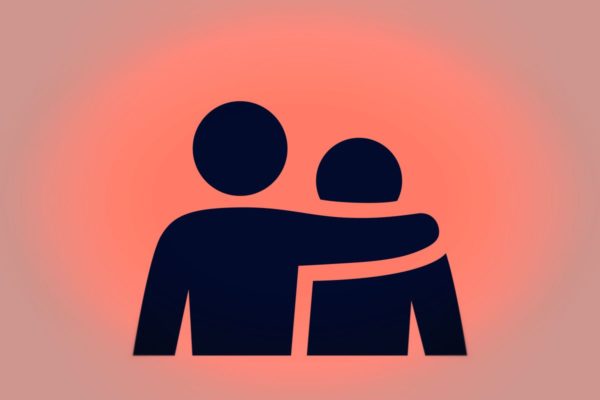
Step no 3: Encourage them to seek professional help
Hoping that they become normal doesn’t help. Therapy does. So chuck the stigma around it. Take/encourage them to see a professional, just how you would do so for any physical ailment.
Now, I suppose you understood what I was trying to say. Yes? Good. No? God will help you beta! Jao jake sojao!
On a serious note, suicide and depression are serious matters. If you feel alone and want to talk to someone reach out to your friends and family. If not, reach out to Aasra at their 24×7 Helpline: 91-22-27546669
Help is always a hand away!
Frequently Asked Questions
Why is talking about suicide important in Indian society?
Open conversations about suicide reduce stigma and encourage people experiencing suicidal thoughts to seek help. In India, societal shame often prevents individuals from discussing mental health, making awareness campaigns essential for saving lives and supporting vulnerable populations.
How does mental health stigma affect suicide prevention in India?
Stigma prevents people from accessing treatment and talking to loved ones about their struggles. When communities view mental illness as weakness or shame, individuals suffer silently. Breaking this stigma through education and normalized conversations creates safe spaces for people to seek help before crisis points.
What should I do if someone I know is struggling with suicidal thoughts?
Listen without judgment, take their concerns seriously, and encourage professional help. Contact India’s suicide prevention helpline (AASRA: 9820466726) or iCall (9152987821). Your willingness to talk and support them can be lifesaving during their darkest moments.
How does education level impact mental health awareness in India?
Education alone doesn’t guarantee mental health awareness or empathy. Even highly educated individuals sometimes dismiss mental health concerns or lack understanding of psychological struggles. True awareness requires emotional intelligence and compassion alongside academic credentials.
Why should we normalize discussions about mental health and marginalized communities?
Normalizing these conversations reduces isolation and discrimination faced by vulnerable groups including LGBTQIA+ individuals. When people see others being treated with dignity and acceptance, it creates safer environments where everyone feels comfortable seeking support and living authentically.
Disclosure: This article may contain affiliate links. VoxSpace may earn a small commission if you make a purchase through these links, at no additional cost to you. This does not influence our editorial opinions or reviews.
You Might Also Like
- World Suicide Prevention Day : Dire Need For Awareness In India
- [VoxSpace Health] How Toxic Masculinity Affects Suicidal Tendencies In Men
- Euthanasia : Sometimes Death Takes Too Much Time; The Ailing Need Not Wait For u201cA Good Endu201d
- [VoxSpace Life] Modern Day Depression : The Sad Story Of Modern India's Youth
- Shashi Tharoor Named Main Accussed In Wife Sunanda Pushkar's Murder
- V6 News Anchor Commits Suicide, Terms Her 'Brain As Her Enemy'
- International Level Swimmer From Bengal Found Hanging In Her Home













Comments are closed.