Meryl Streep's 2017 Golden Globes speech remains a watershed moment in Hollywood activism, continuing to spark conversations about power and accountability.
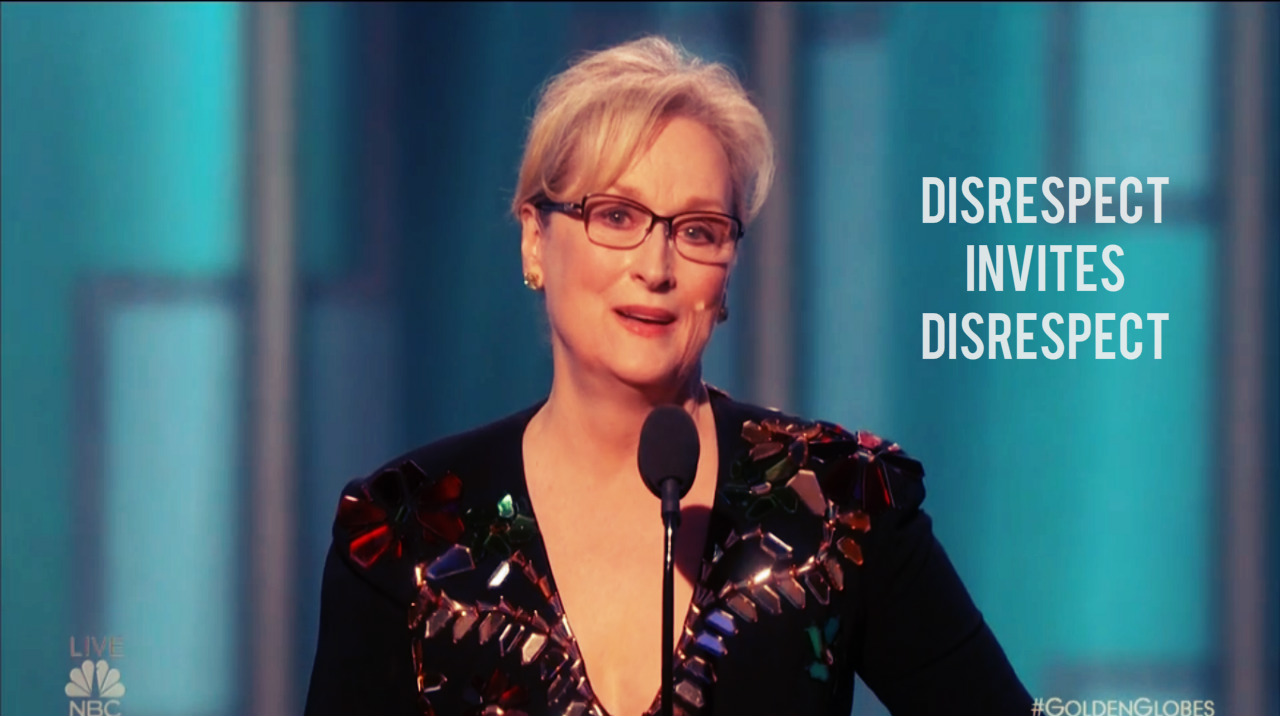
The Golden Globe awards came to a thinking halt when Meryl Streep walked onto the stage to accept her Cecil B. DeMille Award. Her acceptance speech of course, went to become a momentous outlay of emotional turmoil troubling not only her as an individual or an actor, but the fraternity at large. In what can be termed as the most angst laded, Speech for this year, she slammed Trump’s presidential win and commented upon the cross-cultural ethnicity of Hollywood. Streep called out Trump for mocking New York Times reporter Serge Kovaleski for his disability during a rally in 2015. Also, she voiced concerns about the influence of Hollywood Foreign Press Association, on its decimation of Awards contention.
Meryl Streep’s Speech was as follows:
“I love you all. You’ll have to forgive me, I’ve lost my voice in screaming in lamentation this weekend and I have lost my mind sometimes earlier this year so I have to read. Thank you, Hollywood Foreign Press, just to pick up on what Hugh Laurie said, you and all of us in this room, really, belong to the most vilified segments in American society right now. Think about it: Hollywood, foreigners and the press. But who are we, and what is Hollywood anyway? It’s just a bunch of people from other places. I was born and raised and educated in the public schools in New Jersey; Viola [Davis] was born in sharecroppers cabin in South Carolina and came up in Central Falls, Rhode Island; Sarah Paulson was born in Florida, raised by a single mom in Brooklyn; Sarah Jessica Parker was one of seven or eight kids from Ohio; Amy Adams was born in Vicenza, Veneto, Italy; and Natalie Portman was born in Jerusalem. Where are their birth certificates? And the beautiful Ruth Negga was born in Addis Ababa, Ethiopia, raised in Ireland and she’s here nominated for playing a small town girl from Virginia. Ryan Gosling, like all the nicest people, is Canadian. And Dev Patel was born in Kenya, raised in London, and is here playing an Indian raised in Tasmania. So Hollywood is crawling with outsiders and foreigners, and if we kick them all out, you’ll have nothing to watch but football and mixed martial arts, which are not the arts.
An actor’s only job is to enter the lives of people who are different from us and let you feel what that feels like, and there were many, many, many powerful performances that did exactly that — breathtaking, compassionate work. But there was one performance this year that stunned me, it sank its hooks in my heart. Not because it was good, there was nothing good about it. But it was effective and it did its job. It made its intended audience laugh, and show their teeth. It was the moment where the person asking to sit in the most respected seat in our country imitated a disabled reporter. Someone he outranked in privilege, power and the capacity to fight back. It kind of broke my heart when I saw it and I still can’t get it out of head because it wasn’t in a movie, it was real life. And this instinct to humiliate when it’s modeled by someone in a public platform, by someone powerful, it filters down into everybody’s life because it gives permission for other people to do the same thing. Disrespect invites disrespect, violence incites violence, and when the powerful use their position to bully others, we all lose.
Okay this brings me to the press. We need the principal press to hold power to account, to call him them on the carpet for every outrage. That’s why our founders enshrined the press and its freedoms in our constitution. So I only ask the famously well-heeled Hollywood Foreign Press and all of us in our community to join me in supporting the Committee to Protect Journalists because we’re gonna need them going forward and they’ll need us to safeguard the truth.
One more thing — once, when I was standing around on the set one day whining about something, we were going to work through supper or the long hours or whatever, Tommy Lee Jones said to me, isn’t it such a privilege Meryl, just to be an actor? Yeah it is, and we have to remind each other of the privilege and the responsibility of the actor’s empathy. We should all be very proud of the work Hollywood honors here tonight. As my friend, the dearly departed Princess Leia said to me, take your broken heart, make it into art. Thank you friend.”
Frequently Asked Questions
What did Meryl Streep say about Donald Trump at the Golden Globes?
Streep called out Trump for mocking New York Times reporter Serge Kovaleski’s disability during a 2015 rally. She highlighted this moment as emblematic of the divisive rhetoric affecting American society and Hollywood’s role in the cultural conversation.
Why is Meryl Streep’s Golden Globes speech important to Indian viewers?
The speech addresses universal themes of inclusion, diversity, and the power of media representation that resonate globally. For Indian audiences, it speaks to how Hollywood’s diversity debates mirror conversations about representation in Indian cinema and OTT platforms.
What award did Meryl Streep receive at the 2017 Golden Globes?
Meryl Streep received the Cecil B. DeMille Award, one of Hollywood’s most prestigious lifetime achievement honors. Her acceptance speech transformed the ceremony into a platform for addressing contemporary political and social concerns affecting the entertainment industry.
How did Hollywood react to Meryl Streep’s Golden Globes speech?
The speech generated widespread debate within the industry and media. While supporters praised her courage in addressing political issues publicly, critics argued about the appropriateness of mixing politics with awards ceremonies, making it one of the most discussed Golden Globes moments.
What did Streep say about Hollywood’s diversity and foreign members?
Streep emphasized that Hollywood is fundamentally composed of people from diverse backgrounds and nations. She highlighted how the industry’s strength comes from its cross-cultural fabric, challenging stereotypes about who belongs in American entertainment and media narratives.
Disclosure: This article may contain affiliate links. VoxSpace may earn a small commission if you make a purchase through these links, at no additional cost to you. This does not influence our editorial opinions or reviews.
You Might Also Like
- Winners Of The 76th Golden Globe Awards- A Complete List
- [VoxSpace Life] Are We Overlooking The Protest Against Gender Inequality At Cannes?
- [VoxSpace Tech] Modern Day Tech Devices Which Are Helping The Specially Abled Lead A Better Life
- [VoxSpace Selects] The Big Sick : The Most Original And Refreshing Film Of 2017 Is All About Overcoming Culture Differences
- This Video Of Piyush Mishra Talking About Alcoholism Is Amazing And Needs To Be Watched..!!
- [VoxSpace Selects] Billie Eilish - The Teenager Of The Century
- How Whisper #LikeAGirl Campaign Actually Drives Home The Point