Six years on, the conversation around rape culture in India remains urgent and deeply personal for millions of women navigating fear and silence daily.
Key Takeaway
Rape culture persists not due to lack of laws or awareness, but because systemic solutions remain disconnected from the lived reality of fear and helplessness experienced by women across India. Individual action, while necessary, cannot substitute for genuine structural change.
The Effect Of Rape Culture On Me
The Muslim in me, the Woman in me and the Human in me had a lot to process in the last 72 hours. The last time i.e. December 2012, the three of us processed a lot but the only contribution the Muslim in me made was – “Invoke Allah before you leave the house”. Silly of her, right? I guess it hadn’t truly understood the gravity of the situation then. But as I went through the same charade of finding a solution to this rape culture in India, both on a personal and a societal level, I realised my Muslim’s intention.
The Ideology, Practicality And Reality Of Solutions
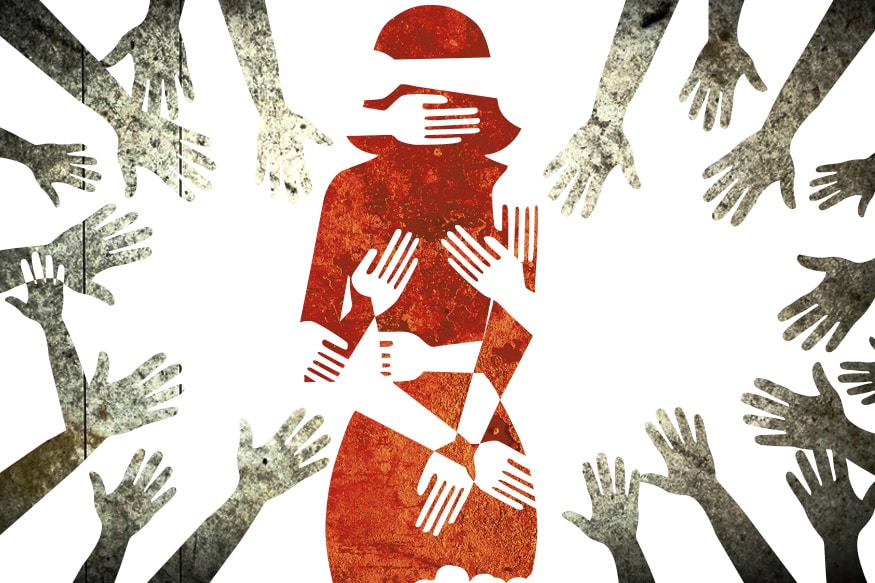
Ideologically, there were many solutions and arguments like better leaders, strict laws, bad punishments for criminals, raising better sons, subjecting men to same restrictions as women, changing mindsets; that I and my peers discussed amongst ourselves. We made each other see the silver lining of rape culture taken seriously these days, laws implemented, rapists convicted, men coming out in support et al. However, a lingering feeling, which I thought to be fear, did not leave. So, I thought maybe practically imbibing the change in my life and those around me would put an end to the feeling. But as I signed petitions for justice for Asifa or helped raise funds for rape victims or no matter how much and where I voiced my opinions/ concerns to sensitize men, siblings or anyone at all, I realised the feeling was persistent.
Then an hour ago, a friend told me how her burkha couldn’t save her from the lecherous eyes of two men who groped in a crowded bus on a busy route of Panjagutta – Mehdipatnam. She said as one of them pressed his arm along her thigh for a minute or two, she turned into stone out of fear. She said it was only after he started to inch his fingers towards her inner thigh that she slapped his hand away and changed her place. I too was in a such a situation. And I too chose not to respond to it. I silently changed my place and kept dreading – I don’t know of what – till I reached the safety of my house. I realised that the Muslim in me was not trying to address the fear of being unprotected or some fear of being a minority community; it was this feeling – the helplessness of the moment, the helplessness of not being able to do something concrete enough; it was trying to address this.
Your Last Weapon – Self-Respect
It occurred to me that where was my self-respect in all this? In the interest of imbibing a change in my life, I explored this helplessness and dread. I dreaded what those two men were capable of. I dreaded their physical strength. Then I imagined slapping them; no, I am not that soft, I would hit them in the balls with my umbrella or water bottle or even my bag (that’s always heavy). I would probably drag them to the police. Then I started dreading the consequences. But, another thought popped into my mind; those men chose to abuse a woman in a crowded place where they and their actions could go undetected and they knew she wouldn’t react. They knew there won’t be consequences. In fact, they relied on it. Did her silence, stemmed from her fear of consequences, empower them?
What Are The Consequences?

Being blamed for enticing them, whether the police will be helpful or not, and what if the situation worsens – acid attack? Rape? Then another thought rushed in – Rape!! I thought this is what the rape culture has done to us, women. How and when did it make every woman it’s victim? It has instilled fear in us. Robbed us of our courage and our hope. How do we even know for sure that those will be the consequences? Aren’t we blamed for rape, anyway? What have we got to lose? You might not have people’s tongue, police and law in your control; you might not even have in your hand what your son grows up to become. All you truly have is your self-respect. I can’t tell how many of these teasers and gropers evolve into rapists. But choosing to stand up for yourself in that moment and moments after that, you would have saved yourself from becoming a victim of this rape culture and probably other women from them.
Frequently Asked Questions
What is rape culture and how does it affect Indian women?
Rape culture refers to societal attitudes that normalize sexual violence through victim-blaming, silence, and inadequate accountability. In India, it manifests as restricted freedoms for women, constant fear, and institutional barriers preventing justice—affecting mental health, mobility, and sense of safety across all socioeconomic backgrounds.
Why do strict rape laws fail to prevent sexual assault in India?
Strict laws alone cannot address rape culture without changing deep-rooted patriarchal mindsets, ensuring witness cooperation, improving investigative procedures, and holding institutions accountable. India’s conviction rates remain low despite amendments, revealing gaps between legal frameworks and enforcement in delivering justice to survivors.
How does silence perpetuate rape culture in Indian society?
Silence—through shame, family pressure, fear of disbelief, and social stigma—allows perpetrators to evade consequences and creates an environment where sexual violence appears normalized. Breaking this silence through collective voice, survivor support, and institutional credibility is essential for cultural transformation in India.
What practical steps can Indian individuals take against rape culture?
Individual actions include believing and supporting survivors, challenging victim-blaming narratives, raising awareness about consent, supporting organizations for victims, participating in advocacy, and holding institutions accountable. However, individual efforts must complement systemic policy changes for meaningful cultural shift.
How did the 2012 Delhi case impact rape discourse in India?
The 2012 Delhi case catalyzed national conversations about rape culture, leading to legal amendments like stricter sentences and expanded definitions. However, it also revealed persistent challenges in victim support systems, investigative procedures, and deep cultural resistance to accountability within families and institutions.
Disclosure: This article may contain affiliate links. VoxSpace may earn a small commission if you make a purchase through these links, at no additional cost to you. This does not influence our editorial opinions or reviews.
You Might Also Like
- [VoxSpace Life] The Disgusting Case Of Harvey Weinstein : Why Staying Silent Became The Worst Crime Ever
- NALSA,SC Fix A Minimum Compensation Of 4 Lakhs For Rape Victims
- [VoxSpace Life] Free Solo : Alex Honnoldu2019s Impossible Mission
- [VoxSpace Life] The Need To Introduce Gender Sensitization Classes In Educational Institutes
- Uttar Pradesh : Father, Brother And Uncles Rape A Woman For Having Eloped With Her Boyfriend
- [VoxSpace Selects] City Of Joy : A Safe Haven For The War-Scarred Congolese Women
- [VoxSpace Health] A Brief Guide To Anxiety Disorder