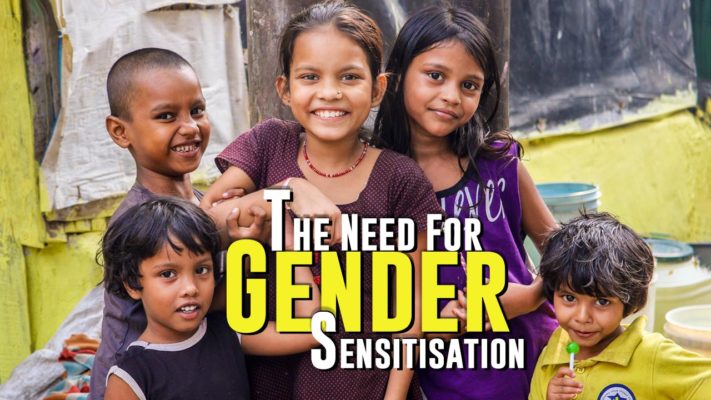
Despite six years since this article's publication, gender sensitization in Indian schools remains an urgent conversation as new incidents continue to highlight institutional gaps.
From Nirbhaya To Asifa – The Plight Of Women Continues
Two separate incidents of rape reported in Kathua and Unnao have once again brought into limelight the sorry state of women’ safety and gender sensitivity in India. Both the incidents are clear-cut examples of rape being used as a tool to assert dominance and power. It is no secret that women have been consistently marginalised throughout the course of history due to the patriarchal notions of the society. The adverse effects of deeply rooted patriarchy have time and again manifested in the form of gruesome rapes and other incidents of sexual harassment. 16th December 2012 will always remain etched in the mind of Indians, as it triggered widespread protests and agitations against the gruesome rape and murder of Nirbhaya. The Government was forced to set up a committee under Justice Verma, which gave numerous recommendations to deal with sexual harassment in India. It also recommended that the children’s experiences should not be gendered and sexuality education should be imparted to children.

Gender Discrimination In Educational Institutes
The yolk of Indian culture and traditions has been a consistent roadblock in providing gender just spaces in educational institutes. Segregation is considered by many schools to be a tool to avoid sexual harassment cases. However, this is a shortsighted and regressive step as it simply prevents interaction between the two sexes. The focal point of gender sensitization has to be to teach people to develop respect for each other’s gender and not succumb to gender roles being assigned by the society. Right from our childhood, we are trained to act in a way which prescribes to the sex in which we are born.
The males are expected to be physically strong and aggressive in their approach, while the female counterparts are expected to be accommodative and timid. This difference in upbringing can also be noticed in the way in which male and female children are encouraged to play different sports according to their sex. The games played by menfolk are outdoor games and games which enhance physical activity, while the women are forced to play games which involve less physical activity and games which prepare them to serve the men in future. This stark difference in upbringing widens the gap between genders and prevents the development of mutual respect for other genders.

Why Gender Sensitization Is The Need Of The Hour
According to NCRB data of the total rape cases, 95% of the offenders are known to the rape survivor. 27% of rapes are committed by neighbours and 9% by immediate family members. Women are often confined to their homes on the pretext of ensuring their safety and dignity. Data, however, bust these tall claims and proves that no amount of protection can avoid sexual harassment. The places having higher literacy rate tend to see a higher reporting of crimes related to sexual harassment. This is because of the fact that in socially and economically backward areas there are social stigmas associated with rape and the administration resorts to dilly-dallying while filing an FIR. In cases of child abuse and sexual harassment of children the victims often are unaware of what constitutes sexual harassment and continue to be the targets of the sexual predators. Gender sensitization classes would play a huge role in narrowing the gender gap and to make the students aware of the sexual misconducts they might be subjected to in their vicinity.

Gender Sensitization And Sexuality Education In Educational Institutes
The Right to Education Act, passed in the year 2009, underlines the need to educate children on issues of gender. It pitches for a more gender-sensitive curriculum and interactive sessions between students and teachers on sexual awareness. The UGC has also issued numerous guidelines to promote gender equality in campus spaces. Educational institutes should encourage students to interact with each other, rather than attempting to bifurcate them. The participation of both boys and girls should be ensured in all types of team sports and other individual games. The students should be informed about the legal options they have in case of sexual harassment. Due to victim blaming and character assassination, which ensues after a complaint is lodged, many complainants choose not to report the sexual harassment they face. Gender sensitization programmes should be aimed towards increasing confidence of the students and to teach them that they are not be blamed for any act of sexual aggression directed towards them.
Reporting of these crimes against women and children is essential to discourage other perpetrators of these crimes, who roam in free air as a result of no case being lodged against them. Patriarchy is one of the most intrinsically woven aspects which has been furthered from generation to generation since times immemorial and is the root cause of sexual harassment, rapes and other violence directed towards women, as it views women to be objects of control as well as objects for displaying power. Hence, positive interventions in the education system in terms of the curriculum as well as the progressive socialization of students is one of the most concrete steps which can be taken in order to create a more gender just atmosphere in our society.
Frequently Asked Questions
What is gender sensitization in schools and why is it important?
Gender sensitization education teaches students to respect people regardless of gender and understand how patriarchal systems harm society. In Indian schools, it’s crucial to combat sexual harassment, build safer campuses, and challenge traditional gender roles that perpetuate discrimination and violence against women.
How do gender sensitization classes help reduce sexual harassment in educational institutes?
These classes create awareness about consent, respect, and equality while challenging toxic behaviors. Rather than segregating students, sensitization programs teach both boys and girls to interact respectfully, understand power dynamics, and recognize harassment. This addresses root causes of abuse rather than preventing interaction between genders.
What did the Justice Verma Committee recommend about gender education?
The committee, formed after the 2012 Nirbhaya case, recommended that children’s experiences shouldn’t be gendered and that sexuality education should be introduced in schools. These recommendations aimed to create foundational awareness about gender equality and healthy relationships from childhood itself.
Why is segregation in schools considered a regressive approach to preventing harassment?
Segregation prevents natural interaction between boys and girls, reinforcing the notion that genders cannot coexist respectfully. This approach doesn’t address patriarchal attitudes or teach respect—it simply avoids the problem. Real solutions require education that builds mutual respect and challenges harmful gender stereotypes.
How can Indian educational institutes implement effective gender sensitization programs?
Schools must develop comprehensive curricula covering consent, equality, and respect, conduct regular training for teachers and staff, and create safe reporting mechanisms for harassment. Programs should challenge patriarchal traditions embedded in Indian culture, involve parents in dialogue, and measure outcomes through behavioral and attitudinal changes in students.
Disclosure: This article may contain affiliate links. VoxSpace may earn a small commission if you make a purchase through these links, at no additional cost to you. This does not influence our editorial opinions or reviews.
You Might Also Like
- [VoxSpace Life] Scuttling of Gender Justice - The JNU Administration Style
- u201cLadka Huya Hai Ya Ladki?u201d u2013 Breaking Away From The Binaries Of Sex And Gender With Daniel Mendonca
- [VoxSpace Life] Mixx By Unborder Collective : A True Fashionable Representation Of Gender Plurality
- [VoxSpace Life] Why The Acceptance Of ALL Genders Is Required In India
- [VoxSpace Life] What Does It Mean To Be A Transgender In A Country Like India?
- [VoxSpace Life] TISS Opens Indiau2019s First Gender-Neutral Hostel, But How Far Is It Effective?
- [VoxSpace Selects] Charles Ma u2013 A Bharatnatyam Dancer Who Fought Racial And Gender Stereotypes














Comments are closed.