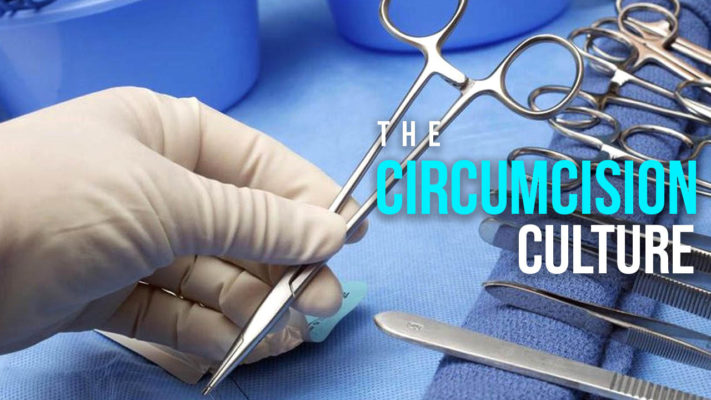
As medical and cultural discussions around circumcision continue evolving globally, understanding its historical significance remains crucial for informed perspectives.
Key Takeaway
Circumcision’s practice spans thousands of years across multiple civilizations and religions. From African initiation rites to Jewish and Islamic traditions, this procedure carries profound cultural and spiritual significance that continues to shape communities worldwide.
An Origin Shrouded In The Mystery Of Time
How circumcision came to be isn’t yet entirely known. But its anecdotes can be found way back in ancient Egypt. It was a common thing among the Semitic people. It is believed that this practice of removal of the foreskin from the human penis has roots as ancient as the tribes in Africa and is still performed on teenage boys to symbolize their transcendence into adulthood or their transformation into a true warrior.
“The distribution of circumcision and initiation rites throughout Africa, and the frequent resemblance between details of ceremonial procedure in areas thousands of miles apart indicate that the circumcision ritual has an old tradition behind it and in its present form is the result of a long process of development.” Said G Wagner from the International African Institute.
Cultural Importance Of Circumcision- An Age Long Tradition
Just like the African tribes circumcise boys during adolescence, other religions have their own version of significance and rules for circumcision too. It is commonly practised by the Jewish and Islamic faiths. A clear majority of the Jews have undergone the procedure as a social obligation. This stems from their Hebrew Bible and the surgery must be performed by a specialist ritual circumciser on the eighth day after the birth. Although circumcision is not a requirement for one to be considered Jewish, some groups say that it will cause negative spiritual consequences if neglected.
Circumcision is also a nearly universal thing amongst the Muslim males. It is a tradition established by Islam’s prophet Muhammad directly and is very important in Islam.
It spread throughout the world and was taken up by countries like the UK, US, Australia, New Zealand and parts of Canada by the 1950s where the infants were circumcised after birth. It was introduced in Korea by the US.
A Debate That Surpassed The Limits Of Time: Is Circumcision Good Or Bad?
The topic that pops up more often than not regarding circumcision is whether the pros outweigh the cons or not. The advantages of the removal of the vestigial foreskin include significantly less vulnerability to cancer of the penis, STDs, urinary tract infection, infection of the foreskin and other debatable issues like discouraging masturbation. Also, another health benefit is that if you are circumcised then you’ll never get phimosis, a condition in which very tight foreskin gets stuck to the penis.
There are others who view circumcision as a way of mutilating a God’s given gift by altering it artificially. They protest that by circumcising a penis one is destroying a perfect human body that has been shaped through years of evolution. They also argue that by circumcising an infant, the parents are not taking into consideration the wants of the kid and what he would feel like after he grows up and finds out that he was circumcised without his will. Though many men don’t feel strongly about it, there are people who say that they would have liked a say in the matter.
Its Current Status In India- “It’s A Taboo Child! Don’t Talk About It”

In countries like India, where people are of mixed origins and follow different religions, things can get a bit difficult for people who stand out from the general public a bit too much. There are already many divisions in the society like cultural beliefs, caste, language and other small barriers between people. Circumcision just adds to the list. Majority of Indians are Hindus, and they don’t undergo circumcision. And they expect that others shouldn’t as well. Muslim boys, in general, face a lot of ridicule and are called names in public like ‘katwa’. It wasn’t their choice to be circumcised, so why are the treated as such.
Circumcision also leads to embarrassment during sexual encounters, because this is something girls in India are not used to. It is a worldwide accepted medical procedure, but in India, it is considered a taboo and people find it abnormal. This clearly reflects on the mindset of the Indian society. They don’t like to talk about and find it unnecessary. Body shaming and humiliation are one of the many aspects that Indians need to overcome. In the end, everyone is a human and should be respected and treated as one.
Frequently Asked Questions
Where did circumcision originate historically?
Circumcision’s exact origins remain unclear, but historical evidence traces the practice to ancient Egypt and African tribes thousands of years ago. It later became integral to Jewish and Islamic traditions, with documented references in ancient texts and ceremonial practices across multiple civilizations.
Why is circumcision important in Jewish culture?
In Jewish tradition, circumcision stems from the Hebrew Bible and is performed on the eighth day after birth by a specialist ritual circumciser. Though not mandatory for being considered Jewish, many groups believe neglecting it carries negative spiritual consequences, making it a significant cultural obligation.
What role does circumcision play in African initiation rites?
African tribes traditionally perform circumcision on teenage boys to symbolize their transition into adulthood and transformation into warriors. According to G Wagner from the International African Institute, this ritual has ancient roots and represents a long process of cultural development across the continent.
Is circumcision universal in Islamic practice?
Circumcision is nearly universal among Muslim males and represents an important tradition in Islamic practice. While specific requirements may vary by community, the procedure remains a significant religious and cultural practice observed across Muslim populations worldwide.
What is the medical perspective on circumcision today?
Circumcision is recognized as a worldwide accepted medical procedure with both cultural and health considerations. Medical professionals evaluate its necessity based on individual circumstances, while respecting its deep cultural and religious significance across different communities.
Disclosure: This article may contain affiliate links. VoxSpace may earn a small commission if you make a purchase through these links, at no additional cost to you. This does not influence our editorial opinions or reviews.













Comments are closed.