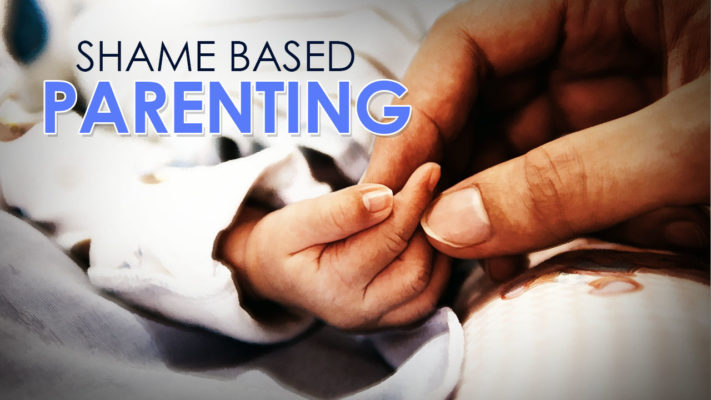
As Indian parenting discourse evolves in 2025, shame-based approaches continue to dominate households despite growing awareness of their psychological impact.
Shaming As A Way Of Parenting
Last year, my mother joking showed me a video of a 3-year old girl being scolded, humiliated and beaten by her mother during a math lesson. This one, while shared for being funny by many, was criticized for its punitive approach by some, pained me enough to read more about this idea of digi-punishment. The parenting approach is being ‘celebrated’ all over social media, with viral videos including a Denver mother’s video scolding her daughter for her Facebook posts, with many in the comment section calling the parent ‘a hero’. Now, I do understand that it is necessary to tell a kid what is right and what is not, to discipline them when necessary, but is digi-shaming even the right approach? In fact, is shaming, I wonder, the right approach?
https://youtu.be/G8bri1Bi3Qo
I believe that as humans we were born into this world as a bundle of spontaneity and innocence, a beautiful beam of radiance, if I may. We had our own charm, our own sense of individuality. But something changed as we grew up, something apart from the fact that we couldn’t roam around naked or dump around the house. Something changed from what our nature could let us do, to what was imposed upon us. And this made sure that as we grew up, the voices in our heads the “what a stupid wretch I am”, or “what the fuck is wrong with me”, or “How ugly/careless/unworthy I am” grew louder.
The Emotional Price Of Shame
According to John Bradshaw, American educator and motivational speaker, a kid grows, unfolds and evolves while constantly being shaped by his immediate interpersonal environment, his family. Through varied experiences of the sort, he develops and manifests his own personality. So no matter how lovingly “aww you’re such a stupid, stupid boy” is said to a 2-year old, it conditions his person. And I am not even mentioning the emotional battering or physical beating that you or I or these kids on social media have gone through.
When a kid is punished or beaten for not wanting to go to school, s/he grows up to be afraid of being shamed for missing college or office even when s/he is sick. But why is it that this kid’s fears get carried forward to adulthood? The answer, I found is because the shame, emotional or physical, that the kid was exposed to got ‘internalized’.
Internalization Of Shame
While being ashamed is a feeling of anger or joy, internalization of shame means that one becomes shame-based. Like one of these people that we call a ‘sad’ person. Say, “I don’t want to hang out with her for she’s a sad soul”. Now, this girl has not associated with the feeling anymore, she has become that feeling. That’s exactly what a person who has internalized a feeling of shame becomes: shame-based. This is what is ringing in my head right now, saying “No one’s going to read this article, why, because you are unworthy of being heard”.
Now, this is not to say that all shame is a bad shame. I am trying to mention ‘toxic shame’, punitive, hurtful in action which differs from healthy shame. As humans, we all have limits and this is where healthy shame comes in action. “I am sorry, I didn’t have enough time to finish this, shall do it tomorrow”, a healthy expression to a boss as compared to the toxic, shaming voice in the head, “you are a worthless resource, he’ll say. You suck, you deserve to be fired. I think this is what the boss will do.”

Internalization begins happening early in childhood, for example, when a kid is trying to learn where he should hold his dump and where he should release it. It is confusing for a 2-year old to understand why he gets punished for soiling his pants as compared to getting rewarded for dumping in the toilet. Nature only allows his body to release when he must.The child was born into this world unaware of the process of living. It comes down to the parents to convey to him these healthy human limits as he asks, “Who am I? And how do I go about this life?” Now it is up to the parents to tell the kid if he is beautiful, lovely, or superbly stupid and ugly, or yes, where to take the dump.
So any type of shame-based modelling that the parent provide helps the child build up his individuality. Now, add to this some more years of emotional, verbal, physical or sexual abuse that runs in many dysfunctional families and the kid might grow up to be a wreck! And add some abandonment, of a parent walking out on the kid or emotional unavailability of any sorts and the kid grows up to think that he is unwanted and unloved. This kid will become a person who chooses unfulfilling relationships and this is just one of the aspects I’m trying to convey.
But are we to blame only our parents, and not theirs, for something must have happened that made them pick this shame-based nature of parenting? Something a little multi-generational maybe?
Multigenerational Nature Of Shaming
When a child grows up to see a certain way of parenting, he adapts and evolves with his own version of it, probably more maligning, for he is carrying the pain of his own shame-based childhood. My father abused me emotionally, physically and verbally, for his father, a rage-aholic, did so to him. I can only imagine what caused my grandfather’s behaviour. But the cycle goes on and on, for the dysfunctional nature of toxic shaming is also very secretive. No one wants to talk about how the little 4-year old got a black eye or sore mouth. “Fell off the cycle,” they’d say. Well, it is only now that I’m admitting to the world what was done to me and breaking this cycle. And this brings me to the idea of breaking the cycle, or as John Bradshaw calls it ‘healing the shame that binds you’.
Healing The Shame That Binds You
You were a beautiful, spontaneous and innocent child worthy of all the love and respect, a beam of light radiating through your mighty being. Something changed; something terrible happened that altered this innocence and spontaneity. But trust me when I say, that does not define you. The voice in your head does not define you. What you were told and what you feel screaming in your head does not define you. While I wish that you and I and everyone out there was born in a healthy family, where mistakes were welcomed and celebrated as lessons and discipline was not ruthless beating or name calling, I can present you a list of things that will help you heal this hurting inner child. Here goes:
-Feel as bad as you have to, for you must accept what was done to you and how it affects you. It is you who must initiate this healing by telling yourself that what you suffered was not okay, that you deserved to be loved and that you most definitely do now.
-Come out of hiding. Talk about it to the people you trust, to therapists or support groups, if you may. Be heard, a little, then a little more. Take it easy and slow, you don’t have to rush this.
-Be the parent of the child within you. Be the parent that doesn’t scream at him over a mistake. Mistakes are the best lessons. Knowing your limits, the best progression. Reward yourself for the good things, nourish yourself with the love you didn’t get, buy yourself your favourite ice cream, if you may.
-Break the cycle. Being the one to break this cycle of multigenerational shame is rewarding, for you’d know and have felt what was done to you and chose not to repeat it. Such an empathetic and compassionate soul to be born on this planet you are!
Do this, but trust me it will hurt to do the first step and the second. It will pain to go back to childhood and scrape the wounds, so you can apply the healing you never deemed necessary. But, in case you choose not to, know how worthless and futile will it be to edge towards death being completely unaware, unfelt of the spontaneity the charm you were born with. Will it not be sad to go to death as the bundle of love and joy we were born as?
Frequently Asked Questions
What is shame-based parenting and how does it affect Indian children?
Shame-based parenting uses humiliation and public embarrassment to discipline children. This approach damages self-esteem, creates anxiety, and erodes the parent-child relationship. Indian households often normalize this method, but research shows it leads to long-term emotional and behavioral problems in children.
How does shaming affect a child’s confidence and self-worth?
Repeated shaming internalizes negative self-beliefs in children, creating persistent inner criticism and self-doubt. Children develop anxiety, depression, and poor academic performance. They learn to fear judgment rather than understand mistakes, leading to low confidence that persists into adulthood.
What are healthier alternatives to shame-based discipline?
Positive discipline focuses on teaching rather than punishing. Use clear consequences, open communication, and empathy. Help children understand why behavior is wrong, acknowledge their feelings, and guide them toward better choices. This builds intrinsic motivation and preserves their self-worth while establishing boundaries.
Why do Indian parents resort to shame-based parenting methods?
Generational cycles perpetuate shame-based parenting in Indian culture. Many parents learned this approach from their own parents and view it as effective discipline. Competitive academic and social pressures intensify this behavior. However, increasing awareness of psychological research is slowly shifting perspectives among modern Indian parents.
How can parents break the cycle of shame-based parenting?
Parents must recognize shame’s harmful effects through self-reflection and education about child psychology. Seek parenting workshops, therapy, or counseling to address their own childhood trauma. Practice emotional regulation, apologize when wrong, and model healthy behavior. Building awareness is the first step toward transforming parenting patterns.
Disclosure: This article may contain affiliate links. VoxSpace may earn a small commission if you make a purchase through these links, at no additional cost to you. This does not influence our editorial opinions or reviews.
You Might Also Like
- [VoxSpace Life] The Dark Truth Of The Effect Of Parental Pressure On Kids
- [VoxPix] Mom : A Movie That Needs To Be Understood As A Social Education Than Just A Movie
- [VoxSpace Life] The Toxic Habit Of Shutting Down The Curiosity Of A Child
- [VoxSpace Life] Traditions & Customs : Things Our Parents Lied To Us About While We Grew Up
- [VoxSpace Life] Menstruation : I Don't Have A Problem Talking About It? Can You Come Out Of Your Taboo?
- Uttar Pradesh : Father, Brother And Uncles Rape A Woman For Having Eloped With Her Boyfriend
- [VoxSpace Life] Teen Advice 101 - How To Not Hate Your Parents












Comments are closed.