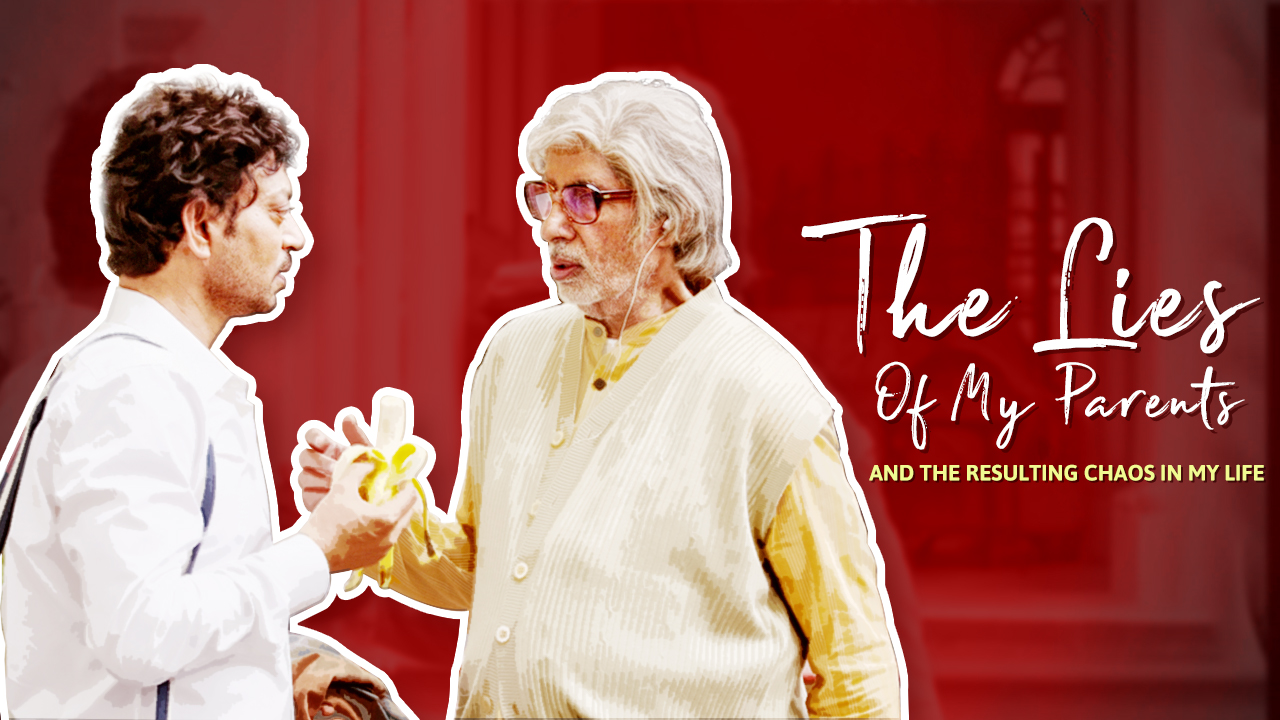
A decade later, these parental myths remain surprisingly relevant as Indian millennials and Gen Z navigate generational divides.
What We Learn And What Are We Taught:
We learn things from our parents initially. We are raised with the values and ideas which our family inculcates. Though parents try to put the finest of values in their children, there are a lot of ideas which do not imply with the present century. Here are the things which our parents taught but after experiences, we realise they do not hold true any longer.
Respect Elders Because We Told You So
It is undoubtedly a good habit to respect elders. We must follow the respect routine, but parents should also define the limitations of it. You can’t respect a person just because he/she is elder to you. Respect is earned and not forced. It should be mutual. Just because somebody is older than you, they can’t disrespect your ideas or you. Hence respect people not because of their age but the human characteristic they hold.

People Who Drink By Natural Order Of Things Are Evil And Bad
We follow the practices of our friends. But simply judging them based on what they drink/eat is shady. After only experiences, we realise that they are not bad people. They all are normal like us. They are well behaved even after drinking and at times better than the nonalcoholic people.
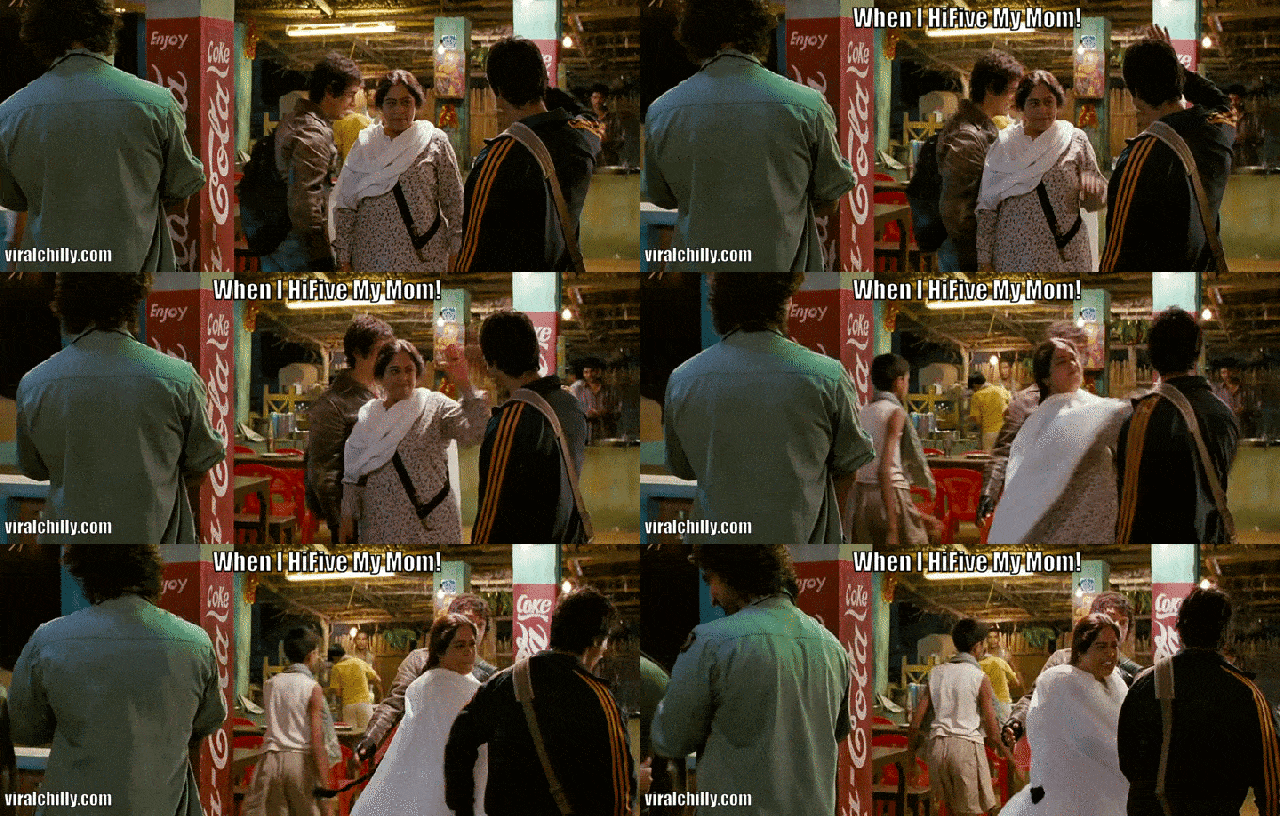
Girls Who Wear Short Clothes Are Bad Girls
This is the most judgmental thought middle-class families put while parenting. The character of the girls is not measured by the inches of her heals or visibility of her cleavages. Rather, it is measured upon what type of a lady she is.
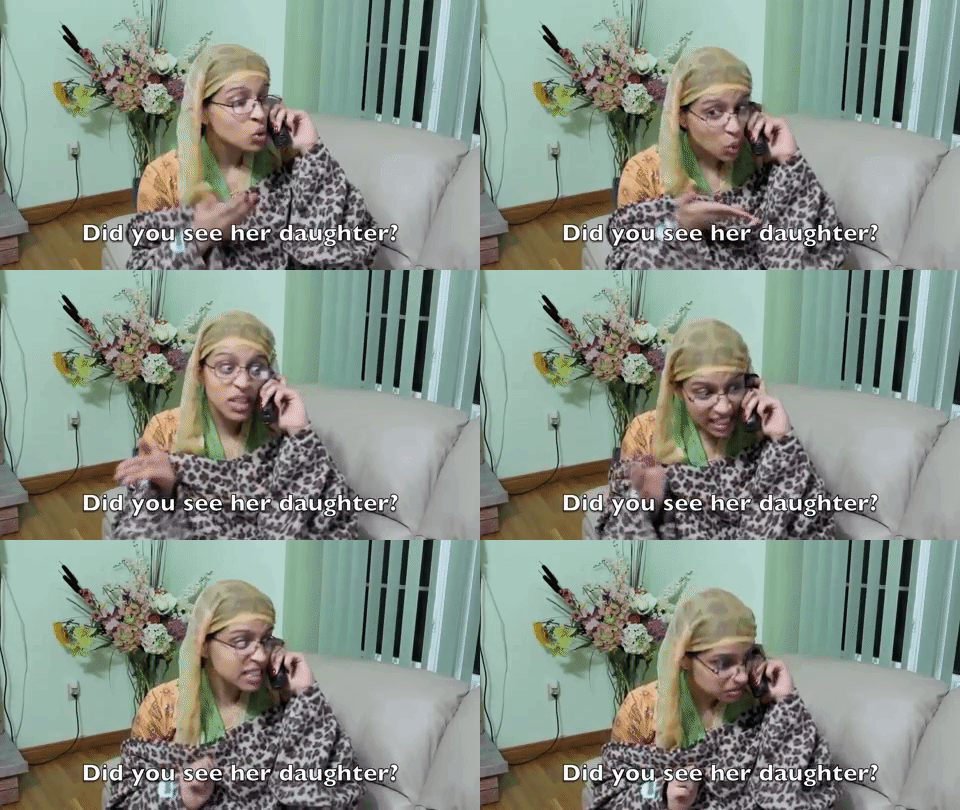
Forcing Religion And Belief Down The Throat
You are a Hindu, a Muslim or a Christian because you are born in that family. Giving knowledge to children about the religion is virtuous but forcing them to have a belief is not cool. They should be allowed to think, question and apply logic to their religion rather than believing it, just because they are born in that family.
Rights Over Virginity You See
An individual is responsible for her/his body. Of course, moral lessons make you a better person but a man and a woman have all the rights to have sex after a certain age of maturity. It does not require parents’ permission or a label to permit them for sex. It’s a personal business and should be treated the same way.

Speaking About the Period Is A Bad Habit:
The period is something natural and part of a women’s body cycle. It should not be treated as a taboo or seen as a heinous crime. From an early age, girl and boy should be taught to treat the period as something ordinary.

Body and Colour Obsession:
Body shaming has become a trend now. It is the worst habit we all grow up with. It should be dusted along with the obsession over fair complexion. A person should never be judged on his body and the complexion he/she carries. We need to delete all those textbooks which define the beauty as ‘fair complexion’.

Sex Education Like Beyond Flowers:
Sex is another taboo we do not talk to the families. It is a reason, why we all are born. The idea of sex is hyped and given a different sideways and that is the reason why rape and child abuse cases are rising in the society. We should educate our families on sex, right and the wrong touches.

Being A Good Human Rather Than Being A Good Son Or Daughter:
The idea of humanity is less talked. A lot of comparisons are made with the Sharma or Khan Uncle’s son or daughter. We should never ever entertain that. Humanity is the example we should follow for a good nation to build up. Parents should stop being mean and broaden their thoughts.

LGBT Rights Defined By Parents:
The new generation has witnessed a good support for the LGBT community. It is getting normal somehow. But, despite that, all the hell broke loose when your own daughter or son chooses a different orientation. It must be stabilized within the families and taught along with the sex education.

All hail the knowledgeable..!!
Frequently Asked Questions
Why do Indian parents enforce respect based on age alone?
Indian parenting stems from traditional hierarchical family structures where age automatically commanded authority. This approach prioritized family unity and obedience over earning respect through character. Modern families increasingly recognize that respect must be mutual and merit-based rather than age-determined.
How has the generation gap influenced parental teachings about drinking?
Parents raised in conservative environments often painted drinking as inherently immoral. Younger generations have experienced that responsible drinking doesn’t define character. The generation gap reflects changing social norms where individual choices matter more than blanket judgments in Indian society.
Why do Indian families judge girls based on clothing choices?
Middle-class Indian families historically conflated clothing with morality due to conservative cultural values. This judgment reflected patriarchal concerns about family honor and social reputation. Contemporary perspectives recognize that attire has no correlation with character, intelligence, or personal values.
What traditions from our parents actually still hold value today?
While blind obedience and arbitrary rules don’t apply, core values like compassion, integrity, and family bonds remain relevant. The key is distinguishing between timeless human values and outdated social rules. Modern families successfully adapt meaningful traditions while discarding judgmental practices.
How can Indian young adults navigate parental expectations versus personal beliefs?
Open conversations acknowledging generational differences help bridge gaps. Young adults benefit from understanding their parents’ perspective while asserting their autonomy. Building this dialogue requires patience and mutual respect, allowing families to evolve together.
Disclosure: This article may contain affiliate links. VoxSpace may earn a small commission if you make a purchase through these links, at no additional cost to you. This does not influence our editorial opinions or reviews.
You Might Also Like
- [VoxSpace Life] Teen Advice 101 - How To Not Hate Your Parents
- The Heart Wrenching Photography Series By Pakistani Photographer Rida Shah Holds A Mirror To Humanity
- [VoxSpace Life] The Cure For Insomnia : These Simple Life Hacks Will Make Bring A Definitive Change
- [VoxPix] Mom : A Movie That Needs To Be Understood As A Social Education Than Just A Movie
- [VoxSpace Life] The Toxic Habit Of Shutting Down The Curiosity Of A Child
- [VoxSpace Life] The Dark Truth Of The Effect Of Parental Pressure On Kids
- [VoxSpace Life] TikTok Facing Massive Fines : Why Caution On The Internet Is Important












Comments are closed.