These fascinating historical oddities remain endlessly shareable, captivating Indian readers with stories of eccentric genius and unexpected humanity.

Walt Disney gave his housekeeper of 30 years company shares for holiday bonuses, and when she died her estate was worth $9 million.

Mark Twain was born and died in Halley’s Comet years, 1835 and 1910. He actually said, “It will be the greatest disappointment of my life if I don’t go out with Halley’s Comet.

Perhaps one-upping Charlemagne, William Randolph Hearst had a pet alligator in college named Charlie.

Thomas Edison proposed to his second wife in Morse Code.

When Marie Antoinette married Louis XVI, the fireworks display went tragically wrong and killed over 100 people. The couple gave their month’s allowance to support the survivors.

Henry VIII also wrote, he authored a 30,000 word novella titled “Defense of the Seven Sacraments” as a defense of the Catholic church against Martin Luther. Then he left the Catholic church.

Thomas Jefferson and John Adams visited William Shakespeare’s home while on vacation, and they broke off a piece of his chair for a keepsake.

Jesse Owens was actually named James Cleveland Owens, with JC for short. Once a teacher misheard his nickname and accidentally called him “Jessie,” so he just stuck with it.

Cleopatra and Mark Antony once created their own club called the Inimitable Livers. It consisted of feasts and drinking wine.

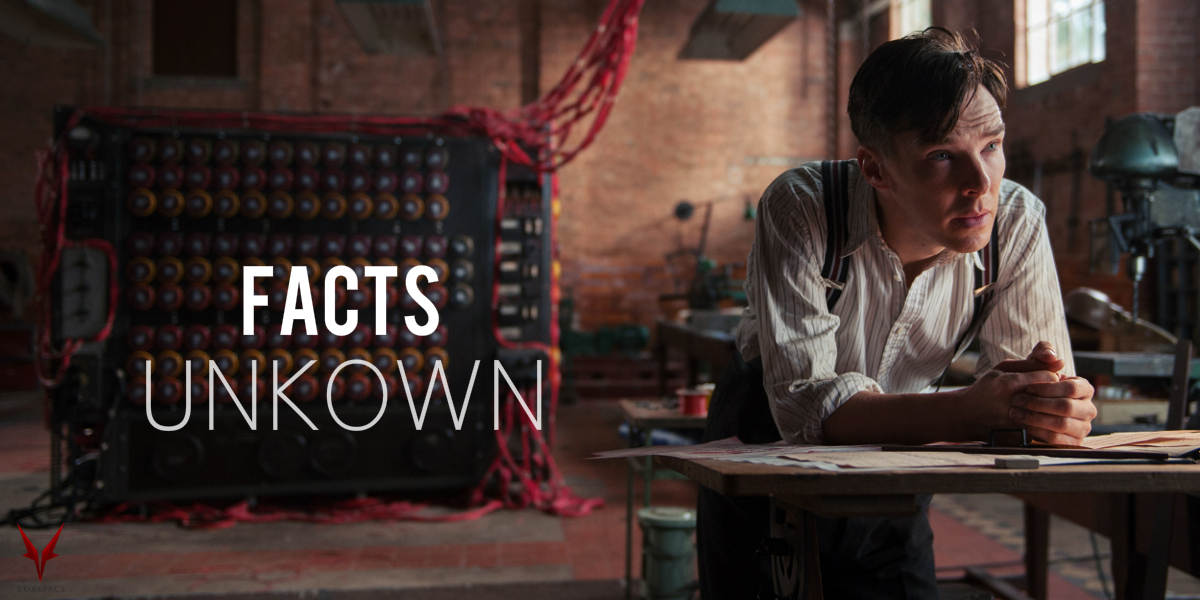
In 1948 computer scientist and mathematician Alan Turing ran a marathon in 2 hours and 46 minutes. The Olympic marathon runner that year only beat him by 11 minutes.

Malcolm X copied the entire dictionary into his own handwriting. He also read each page out loud to improve his public speaking.

Ernest Hemingway went undercover for the Soviet Union in 1941, and his code name was Argo.

Napoleon Bonaparte wrote a romance novel about a soldier and it was published when he died.

Claude Monet’s real first name was Oscar.

When Amelia Earhart first saw a plane, she described herself as “indifferent toward the thing with rusty wire and wood.”

Nikola Tesla one time paid a hotel by promising them he would give them one of his inventions…the death beam. He said it was worth $10,000… but when they went to get it, it was just a bunch of electronics in a box.

Wolfgang Mozart actually got to meet Marie Antoinette when they were both 7 years old and he was playing music for her family in Vienna. It’s said that he proposed marriage to her.

On that same note, a teenage Beethoven performed for Mozart, which prompted Mozart to say, “Keep your eyes on him-someday he’ll give the world something to talk about.”

One of Genghis Khan’s top generals originally belonged to one of Khan’s rival tribes, and he almost killed Khan in battle. It impressed him so much that he had the soldier join the Mongol army as an officer.

British Prime Minister Winston Churchill claimed that when he stayed at the White House he ran into the ghost of Abraham Lincoln.
Frequently Asked Questions
Did Walt Disney really give his housekeeper company shares worth $9 million?
Yes, Walt Disney gave his housekeeper of 30 years company shares as holiday bonuses. When she passed away, her estate was valued at approximately $9 million, demonstrating Disney’s loyalty and generosity to his longtime employees.
What’s the connection between Mark Twain and Halley’s Comet?
Mark Twain was born in 1835 during Halley’s Comet’s appearance and died in 1910 when it returned. He famously stated, ‘It will be the greatest disappointment of my life if I don’t go out with Halley’s Comet,’ which became reality.
How did Jesse Owens get his famous name?
Jesse Owens was originally named James Cleveland Owens, abbreviated as JC. A teacher misheard his nickname and called him ‘Jessie,’ and the Olympic athlete simply adopted this accidental name for the rest of his life.
Did Alan Turing really run a marathon competitively?
In 1948, mathematician Alan Turing ran a marathon in 2 hours and 46 minutes. The Olympic marathon winner that year beat him by only 11 minutes, showcasing his remarkable athletic ability alongside his mathematical genius.
What unusual things did historical figures do for self-improvement?
Malcolm X copied the entire dictionary by hand and read each page aloud to improve his vocabulary and communication skills. Thomas Edison proposed to his second wife in Morse Code, while others pursued unconventional methods to master their craft.
Disclosure: This article may contain affiliate links. VoxSpace may earn a small commission if you make a purchase through these links, at no additional cost to you. This does not influence our editorial opinions or reviews.