Seven years on, marine acidification remains an urgent crisis as ocean health continues to deteriorate at an alarming rate worldwide.
Key Takeaway
Marine ecosystems absorb one-third of human-produced carbon dioxide and generate over 60% of our oxygen, yet ocean acidification from excessive carbon absorption now threatens coral reefs, shellfish, and the entire food chain. Immediate global action is essential to preserve this vital resource.
The Beauty Of Marine Life
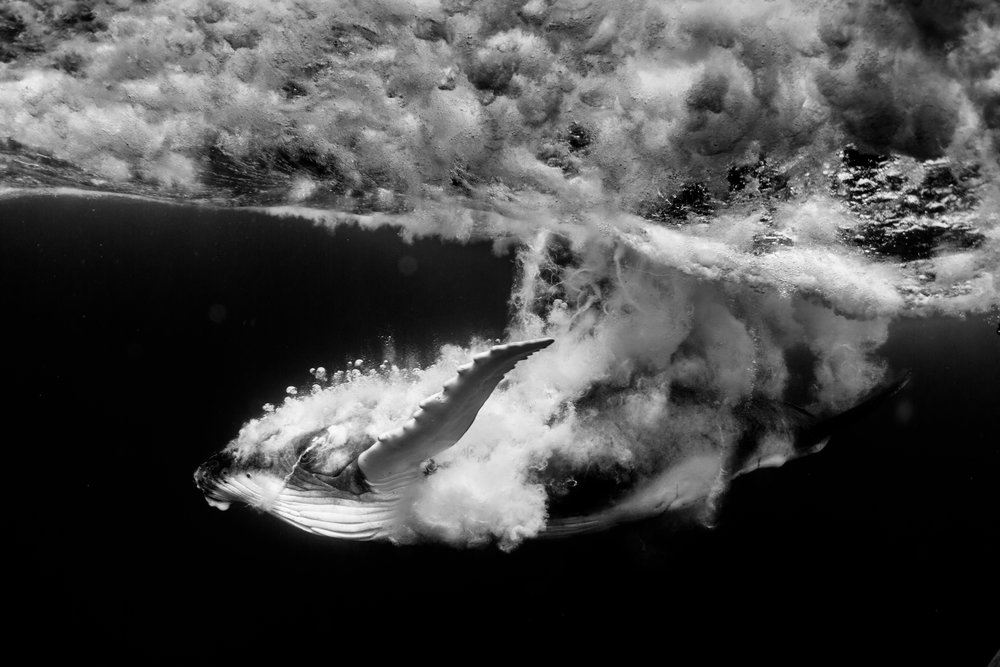
“I would love for people far away to feel the presence of the ocean—to feel every drop—and to really create their own connections,” said marine photographer Michaela Skovranova on the occasion of World Oceans Day. Her photographs beam of a rare, sublime energy that the oceans and all that it holds emit. In a time where the Marine Health has moved from a prospect garbage patch in 2007 to a number of whale carcasses with a gutful of plastic being washed ashore, Skovranova’s photographs are the eyes underwater. The magnificence that the raw life of the ocean delivers through her collection is a sign that there is still time for all of us to do our part in saving the blue heart of our planet. But first, let us have a look at how this blue heart has been saving us all this time.
The Blue Heart
Oceans serve as natural carbon sink of the planet. The primary producers of the marine food chain like Phytoplankton and Seaweed ceaselessly consume all the carbon emissions to make their food. In the process, they absorb at least one-third of the Carbon Dioxide produced by human activities and release into the atmosphere more than 60% of the Oxygen for all. While it all sounds like a fairy tale, it comes at a big cost. The absorption of too much carbon acidifies water which dissolves structures made of Calcium Carbonate. And this puts shellfish and coral reefs at a major risk. Coral reefs, as we all know, are already shrinking, and so are shrinking the ecosystems of a number of marine species like Clownfish, Sponges, Eel, etc. that are dependent on them.
The oceans, I believe, are not only the blue heart but also a big blue womb of this planet; a womb with over 230,000 unique species thriving in it. And 230,000 is all that’s been discovered yet. We know the surface of Mars better than we know the depths of our oceans and hence we are far from having come across as many as two million more species that inhabit the hidden depths and crevices of the big blue. And frankly, just like the known ones depleting in numbers, I fear these will cease to exist before even being discovered.
The reasons being:
Obviously, Plastic:
Floating pieces of poorly dumped food packaging that looks like a jellyfish will get ingested by a Leatherback Turtle and choke him to death. The Filter Feeders like whales will assume floating debris to be a batch of krill. And more of these marine wonders, having filled themselves with plastic, will starve, die and be washed ashore. From a garbage patch, the size of Texas in the Pacific Gyre in 2007, to one denser and 10 times that size currently haunts the oceans. The blue is filled with everything from a bottle cap to a ghost net and abandoned plastic tanks. The man-made havoc has ironically reached the bottom that remains far from the man’s reach. And the worst thing is it is in the food chain. Microplastic, the worst of all, gets ingested by sponges and krill, and find their ways into the food chain and eventually cause toxic mutations. These will be eaten by the bigger fish that follow them in the food chain. And guess who else eats fish?
Nutrient Pollution:
Another reason why every nation should switch to Organic Farming is the excessive use of synthetic pesticides and fertilisers. The soil from these farms laden with Carbon, Phosphorus, Nitrogen and other minerals when enters the water bodies, booms the growth of Phytoplankton and fleshy algae. While phytoplankton and algae contribute big amounts of Oxygen through Photosynthesis during the day, they flush away a lot of it at night, completely depriving the rest of the aquatic organisms of it. Imagine a whole water body covered with the bloom and imagine the number of species it would suffocate to death. Sewage with traces of synthetic soaps and detergents causes algal bloom too. The only way to arrest this is going organic in every aspect of life.
Industrial And Urban Effluence:
A major industrial pollutant and a mining residue, Copper hinders the growth of Coral Polyps. Marine invertebrates, Polyps are the building blocks of Coral reefs. The dissolution of the brilliant ecosystem that these reefs are, poses an imminent danger to a lot of marine species that find their home and safety in these structures. They wouldn’t spawn, the ones that remain will be vulnerable to predators and naturally, the population will dwindle and shrink away. Most of the toxins released into the oceans as industrial or urban waste affect densely even in low concentrations. They get accumulated in the organisms and again become a part of their food chain and genetics. Mutations are unavoidable and we can barely predict what an organism with high concentrations of DDT or Mercury or Lead would produce after a few generations of this bioaccumulation. I mean just imagine.
And then there is
Shipping:
Oil spills are a sad reality and we cannot deny that they happen regularly. From the major oil spills of all times to unchecked, unmonitored discharge of cargo residues, everything stays in the water, hard to detect, impossible to clean and forever to impact the big blue. Shipping not only causes the crude pollution but is a major contributor to noise pollution too. The marine environment is ambient with the acoustics of this environment playing a major part in communication between the organisms.
“You can truly see how complex these creatures are: they talk to each other, they love, they cry, and they sing, just like we do,” says Skovranova and I wonder how loud and louder they’d have to try to be hard with all those ships and boats whirring and drumming around them.
Deep Water Mining:
https://www.youtube.com/watch?v=IYKaKeJv2dQ
Yes, it is happening. While we were only sitting to wonder how to reverse our impacts of mining on land, the International Seabed Authority has given an ‘okay’ to about a dozen companies to explore minerals and metals in the bottom of the Pacific Ocean. The twilight zone of the oceans, the bottom, which I believe no one has seen, is up for sale already. And I’d only leave it up to you to figure what harm it could bring to the blue. Think drones, robots, more crude, possible wars and think deaths. Think lots of deaths.
While I have chosen not to mention overfishing and overexploitation because it is as obvious like the problem with plastic, it is important to note that most of the things that I’ve mentioned are things that we already know about. My only question is, when do we act? Do we wait till we kill all the species underwater that exist, including the ones that haven’t been discovered? Or have we already decided that none of this is our problem, our fault and that it only of the beautiful ones floating about the ocean, completely unaware why they get strangled and suffocated by ghost nets that have already baited and killed so many?
Frequently Asked Questions
What is marine acidification and why does it matter?
Marine acidification occurs when oceans absorb excess carbon dioxide, lowering pH levels and dissolving calcium carbonate structures. This threatens shellfish, coral reefs, and the entire ocean food chain that humans depend on for food and oxygen production.
How much oxygen do oceans produce for Earth?
Oceans release over 60% of the oxygen we breathe through phytoplankton and seaweed, which are primary producers in the marine food chain. This makes ocean health directly connected to human survival and respiratory capacity globally.
What percentage of carbon dioxide do oceans absorb annually?
Oceans absorb at least one-third of all carbon dioxide produced by human activities. While this demonstrates their critical role as natural carbon sinks, excessive absorption now causes acidification and damages marine ecosystems irreparably.
How does ocean plastic pollution affect marine life?
Plastic debris accumulates in the ocean, harming marine animals through ingestion and entanglement. Whale carcasses washing ashore with stomachs full of plastic demonstrate the severity of pollution, directly impacting ocean health and the marine food chain.
What can individuals do to protect ocean health?
Reduce plastic consumption, support sustainable fishing practices, limit carbon emissions, and advocate for ocean conservation policies. Individual actions collectively create the connections that marine photographer Michaela Skovranova inspires through her work documenting underwater beauty.
Disclosure: This article may contain affiliate links. VoxSpace may earn a small commission if you make a purchase through these links, at no additional cost to you. This does not influence our editorial opinions or reviews.
You Might Also Like
- [VoxSpace Life] Why As A Millennial I'd Rather Not Have Kids
- [VoxSpace Life] KV Priyesh u2013 The u201cMadu201d Kerala Fisherman Who Helped In Crusading 13.5 Million Plastic From Sea
- [VoxSpace Life] Vintage Car Rally Mumbai 2018 : The History Of The Sweetly Revving Engines Of The Yore
- [VoxSpace Life] Over 800 Ladies To Participate In The 10th Womenu2019s Car Rally In Mumbai
- [VoxSpace Life] Being Ecosexual - What It Takes To Save Planet Earth
- [VoxSpace Tech] The New Space Race For Mars Colonisation
- [VoxSpace Life] 7 Women Health Myths You Need to Stop Believing In Right Now